



Introduction
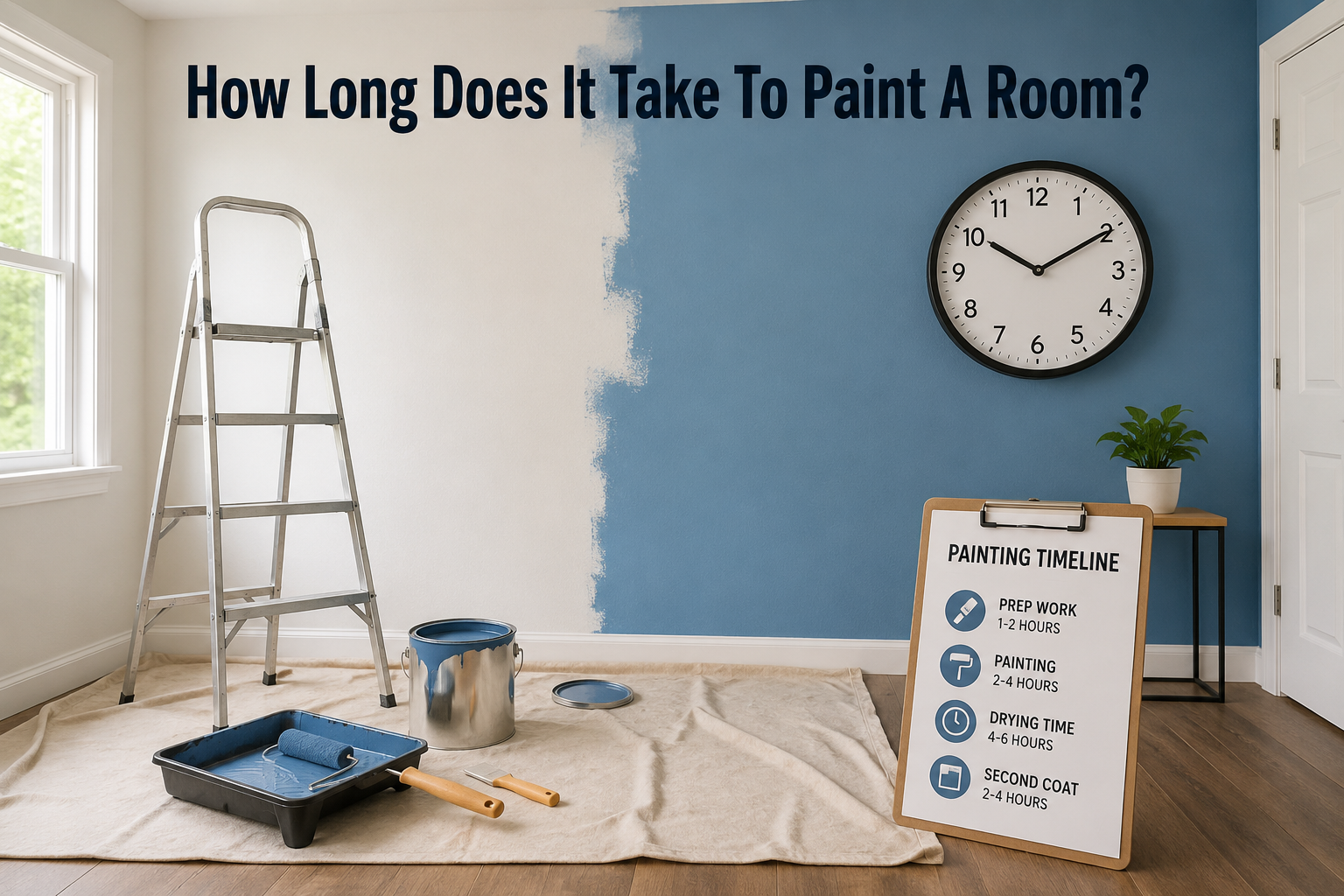
If you are planning a home makeover, one of the first questions that comes to mind is: how long does it take to paint a room? The honest answer is that it depends on several factors, but for an average-sized bedroom or living room, most people can expect to spend anywhere between four and eight hours on the actual painting work. However, once you add in preparation, drying time, and a second coat, the entire project often stretches across one to two full days.
Knowing how long does it take to paint a room is important for more than just curiosity. It helps you plan your weekend properly, decide whether to hire a professional painter or do it yourself, and avoid the frustration of running out of time halfway through the job. In this guide, we will break down every stage of the painting process, look at the factors that speed things up or slow things down, and give you realistic time estimates for different types of rooms.
Quick Answer At A Glance
Before diving into the details, here is a simple table that gives you a rough idea of how long does it take to paint a room based on its size and who is doing the work.
| Room Size | DIY Painter (Beginner) | Experienced DIY Painter | Professional Painter |
|---|---|---|---|
| Small room (up to 100 sq ft) | 4 to 6 hours | 3 to 4 hours | 2 to 3 hours |
| Medium room (100 to 200 sq ft) | 6 to 9 hours | 5 to 7 hours | 3 to 5 hours |
| Large room (200 to 400 sq ft) | 9 to 14 hours | 7 to 10 hours | 5 to 8 hours |
numbers cover the actual painting work, including two coats. They do not always include drying time between coats, which can add several extra hours depending on the paint used.
Factors That Affect Painting Time
Not every room takes the same amount of time to paint, and there are many reasons why one project might take twice as long as another. Understanding these factors will help you set a realistic schedule for your own painting job.
Room Size And Ceiling Height
The most obvious factor is simply how big the room is. A small guest bedroom will naturally take less time than a spacious living room. Ceiling height also matters a great deal, since rooms with vaulted or unusually tall ceilings require ladders, extra caution, and more time to reach every corner safely.
Number Of Coats Needed
Most walls need at least two coats of paint to achieve an even, solid color, especially when switching to a different shade. If you are covering a dark wall with a lighter color, you might even need a third coat or a coat of primer first. Each additional coat can add one to three hours to your project, plus drying time in between.
Wall Condition
Walls that are already smooth and in good condition are much faster to paint than walls with holes, cracks, water stains, or peeling paint. Repairing these issues before painting is essential for a professional-looking finish, but it does add extra hours to the overall timeline.
Paint Type
Latex or water-based paints dry faster than oil-based paints, which makes them a popular choice for most interior rooms. If you are using oil-based paint, you should expect longer drying times between coats, sometimes as long as twenty-four hours.
Color Change
Painting over a similar color is quick and simple. However, going from a dark color to a light one, or vice versa, usually requires more coats and more careful application, which extends the total time needed.
Doors, Windows, And Trim
Rooms with multiple doors, windows, closets, and decorative trim take longer because each edge needs careful cutting in with a brush before the roller work begins. A simple rectangular room with one door and one window will always be faster than a room full of architectural details.
Furniture And Obstacles
Moving furniture out of the room, or covering it properly with drop cloths, takes time before you even open a paint can. Rooms that are cluttered or difficult to clear out will add to your overall project time.
Experience Level
A first-time painter will naturally work slower than someone who has painted several rooms before. Experienced painters know how to cut in cleanly, avoid drips, and move efficiently around the room, which significantly reduces the total hours needed.
Tools Used
The tools you choose can make a big difference. A paint sprayer covers large areas much faster than a roller, though it requires more setup and masking time. A standard roller and brush combination remains the most common and practical choice for most homeowners.
Step By Step Time Breakdown
To really understand how long does it take to paint a room, it helps to break the entire process into individual stages. Below is a realistic breakdown for a medium-sized room of about 150 square feet.
| Stage | Estimated Time |
|---|---|
| Moving furniture and prepping the space | 30 to 60 minutes |
| Cleaning and repairing walls | 30 minutes to 2 hours |
| Taping edges and covering floors | 20 to 40 minutes |
| Priming (if needed) | 1 to 2 hours |
| Drying time for primer | 1 to 4 hours |
| First coat of paint | 1.5 to 2.5 hours |
| Drying time between coats | 2 to 4 hours |
| Second coat of paint | 1.5 to 2.5 hours |
| Trim and detail work | 1 to 2 hours |
| Cleanup | 20 to 30 minutes |
When you add all of these stages together, including drying time, a single room can realistically take a full day from start to finish, even though the hands-on painting itself might only take four to six hours.
Prep Work
Preparation is often the most underestimated part of any painting project. Moving furniture, laying down drop cloths, and taping off baseboards, light switches, and window frames all take time, but skipping this step usually leads to a messier result and more cleanup work later.
Cleaning And Repairing Walls
Dust, grease, and small imperfections should be addressed before any paint touches the wall. This might mean wiping down surfaces with a damp cloth, filling nail holes with spackle, or sanding down rough patches. Rooms in good condition might only need thirty minutes here, while older rooms with more damage could need up to two hours.
Priming
Primer is not always necessary, but it is recommended when painting over a dark color, raw drywall, or a stained surface. Applying primer adds an extra hour or two to your project, plus additional drying time before you can apply your first coat of color.
First Coat Application
This is where the transformation really begins. Applying the first coat evenly across the walls usually takes between one and a half to two and a half hours for a medium room, depending on how many obstacles are in the way.
Drying Time Between Coats
Most latex paints need at least two to four hours of drying time before a second coat can be applied. Rushing this step can lead to streaking or an uneven finish, so patience here pays off in the final result.
Second Coat Application
The second coat generally goes faster than the first since you already know the layout of the room and any tricky spots. This stage usually takes a similar amount of time as the first coat.
Trim And Detail Work
Painting trim, door frames, and window sills requires a steadier hand and smaller brushes. This detailed work can take an extra one to two hours depending on how much trim is in the room.
Cleanup
Finally, cleaning your brushes, rollers, and trays, along with removing tape and drop cloths, typically takes twenty to thirty minutes.
Time Estimates By Room Type
Different rooms in your home come with their own quirks that affect how long does it take to paint a room. Here is a closer look at some of the most common spaces.
Bedroom
Bedrooms are usually straightforward to paint since they tend to have fewer windows and simpler layouts. A standard bedroom typically takes four to seven hours including two coats.
Living Room
Living rooms tend to be larger and often have more windows, doorways, and sometimes higher ceilings. Expect this space to take anywhere from six to ten hours.
Kitchen
Kitchens usually have smaller wall sections due to cabinets and appliances, but they require extra care around outlets and fixtures. A kitchen might take four to six hours, though the detail work can slow things down.
Bathroom
Bathrooms are generally the smallest rooms to paint, often taking just two to four hours. However, moisture-resistant paint may have different drying times, so check the product label carefully.
Hallway
Hallways are narrow but can be surprisingly time-consuming due to their length and the number of corners involved. Plan for three to six hours depending on the hallway’s size.
Ceiling Painting
Painting a ceiling separately from the walls usually adds two to four hours to a project, since it requires careful overhead work and often a fresh coat of ceiling-specific paint.
DIY Versus Hiring A Professional Painter
One of the biggest factors in how long does it take to paint a room is whether you choose to do it yourself or bring in a professional. Professionals typically work faster because of their experience, efficient techniques, and access to commercial-grade tools like sprayers.
A DIY project might take a full weekend for one room, while a professional painter could complete the same room in a single afternoon. That said, hiring a professional comes with a higher cost, so many homeowners weigh the value of their time against their budget before deciding.
If you have a busy schedule or multiple rooms to paint, hiring a professional can save significant time and stress. On the other hand, if you enjoy hands-on projects and want to save money, doing it yourself can be a rewarding experience, even if it takes a bit longer.
How To Speed Up The Painting Process
There are several practical ways to reduce the amount of time your painting project takes without sacrificing quality.
- Use a paint sprayer for large, open walls to cover more area in less time
- Choose a quick-dry paint formula to shorten the wait between coats
- Prepare the room thoroughly beforehand so you are not stopping mid-project to search for supplies
- Work with a helper to split tasks like cutting in and rolling
- Paint during moderate weather, since extreme humidity or cold can slow drying time
- Use a paint and primer combination product to skip a separate priming step when appropriate
Common Mistakes That Add Extra Time
Many homeowners unintentionally extend their painting timeline by making a few avoidable mistakes.
Skipping the preparation stage is one of the most common issues, since it often leads to peeling paint or visible imperfections that need to be fixed later. Not allowing enough drying time between coats is another frequent mistake, as it can cause the paint to smear or lift when the second coat is applied.
Using low-quality brushes, rollers, or paint can also slow things down, since these products often require more coats to achieve even coverage and tend to leave streaks that need correcting.
Taking the time to do things properly the first time around will almost always save you time in the long run.
Drying Time Versus Curing Time
It is worth understanding the difference between drying time and curing time, since these are often confused. Drying time refers to how long it takes for the paint to feel dry to the touch, which is usually within one to four hours for latex paint. Curing time, on the other hand, refers to how long it takes for the paint to fully harden and reach its maximum durability, which can take anywhere from two to four weeks.
This means that while you can usually apply a second coat within a few hours, you should avoid heavy cleaning, hanging pictures, or pressing furniture against the walls until the paint has fully cured.
| Paint Type | Typical Drying Time | Typical Curing Time |
|---|---|---|
| Latex (water-based) | 1 to 4 hours | 2 to 4 weeks |
| Oil-based | 6 to 24 hours | 3 to 7 days |
| Chalk paint | 30 minutes to 1 hour | 2 to 4 weeks |
Frequently Asked Questions
How long does one coat of paint take to dry? Most latex paints are dry to the touch within one to two hours, though it is best to wait at least four hours before applying a second coat for the best results.
Can I paint a room in one day? Yes, a small to medium room can usually be painted in one day if you plan carefully, including time for prep, two coats, and drying in between.
How long should I wait between coats of paint? For latex paint, waiting two to four hours between coats is generally sufficient. Oil-based paint may require closer to twenty-four hours.
Does humidity affect drying time? Yes, high humidity can significantly slow down drying time, sometimes doubling the wait between coats. Painting in a well-ventilated space with moderate humidity levels will help the process move along more smoothly.
Do I need to prime before painting? Priming is recommended when painting over a dark color, a stain, or bare drywall, but it is not always necessary if you are simply refreshing a wall with a similar shade.
Conclusion
So, how long does it take to paint a room? On average, you can expect the hands-on painting work to take between four and eight hours for a typical room, with the entire process, including prep, drying, and cleanup, stretching across a full day or even a weekend for larger spaces. Factors like room size, wall condition, paint type, and your own experience level all play a role in the final timeline.
Whether you decide to tackle the project yourself or hire a professional painter, having realistic expectations about the time involved will help you plan ahead and enjoy a smoother, less stressful painting experience. With good preparation and the right approach, your freshly painted room will be ready to enjoy in no time.
Related Articles
How to Fix a Leaky Kitchen Faucet: Complete DIY Repair Guide
How to Unclog a Kitchen Sink: 8 Easy DIY Methods That Actually Work
How To Remove Texture From Walls: The Complete Step-by-Step Guide
How To Clean Cork Flooring? A Complete Step-by-Step Guide
Should Curtains Touch the Floor? The Complete Guide to Curtain Length