



Introduction
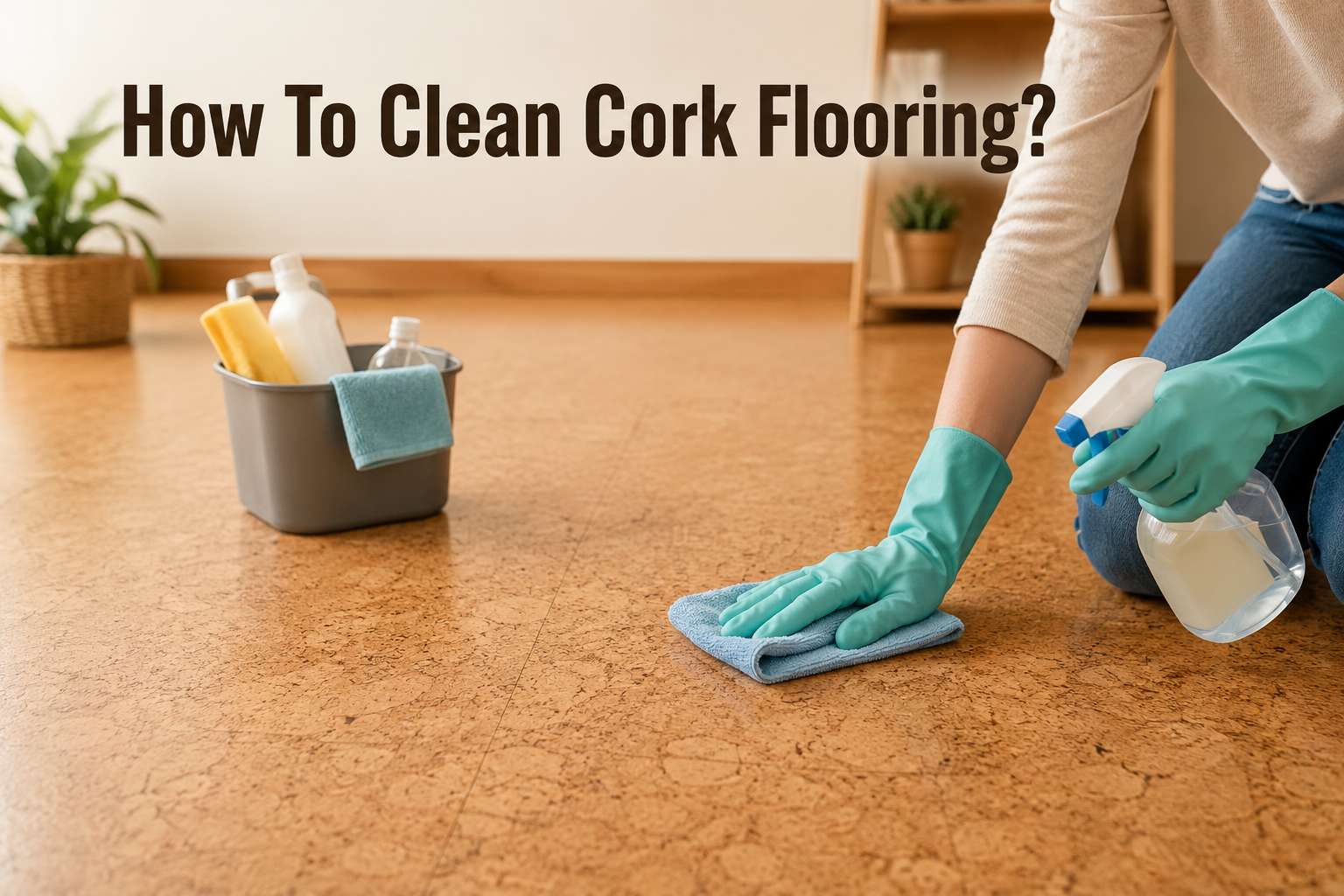
Cork flooring has become a popular choice for homeowners who want a warm, comfortable, and eco-friendly surface underfoot. It feels soft to walk on, absorbs sound beautifully, and adds a natural charm to any room. However, many people who install cork flooring for the first time often ask the same question: how to clean cork flooring without damaging its surface? Unlike tile or hardwood, cork is a natural material that reacts differently to water, chemicals, and heat, which means it needs a slightly different cleaning approach.
This guide walks you through everything you need to know, from daily upkeep to deep cleaning, stain removal, and long-term maintenance, so your cork floors stay beautiful for years to come.
What is Cork Flooring?
Cork flooring is made from the bark of the cork oak tree, harvested without cutting down the tree itself. This makes it a renewable and environmentally friendly flooring option. The bark is ground up, compressed, and bonded together to form tiles or planks, which are then often sealed with a protective finish such as polyurethane or wax.
Why Cork Flooring Needs Special Care
Because cork is a porous, natural material, it behaves more like wood than like tile or vinyl. It can absorb moisture if not properly sealed, and harsh chemicals can strip away its protective coating over time. Understanding how to clean cork flooring properly helps you avoid warping, fading, and premature wear.
Benefits of Proper Cleaning & Maintenance
Regular and correct cleaning does more than just keep your floor looking good. It also extends the lifespan of the material, preserves the protective finish, prevents mold or mildew growth in humid areas, and keeps allergens like dust and pet dander to a minimum.
Understanding Cork Flooring Before You Clean
Before grabbing a mop, it helps to understand what kind of cork flooring you have. Not all cork floors are finished the same way, and the cleaning method that works for one type might damage another.
Types of Cork Flooring
| Type | Description | Water Sensitivity |
|---|---|---|
| Sealed (Polyurethane finish) | Coated with a protective plastic-like layer | Low to moderate |
| Waxed Cork | Finished with a natural wax coating | Moderate to high |
| Unfinished Cork | Raw cork with no protective layer | Very high |
Knowing which category your floor falls into will guide how much water and what type of products you can safely use.
How Cork Flooring Finish Affects Cleaning Method
A sealed floor can generally tolerate a lightly damp mop, while a waxed or unfinished floor should only be cleaned with minimal moisture, since water can seep into the material and cause swelling or discoloration.
Common Mistakes That Damage Cork Floors
Many people unintentionally damage their cork flooring simply because they treat it like ceramic tile. Some frequent mistakes include soaking the floor with water, using steam mops, scrubbing with abrasive pads, and applying oil-based or wax-based cleaners not designed for cork. Avoiding these habits is the first step toward long-term floor care.
Essential Supplies You’ll Need
Having the right tools on hand makes the entire cleaning process faster and safer for your flooring.
Recommended Cleaning Tools
- Soft-bristle broom or dust mop
- Vacuum cleaner with a hard-floor or hardwood setting (no beater bar)
- Microfiber mop or cloth
- Soft, non-abrasive sponge for spot cleaning
- Bucket for diluting cleaning solution
Best Cleaning Solutions for Cork
A mild, pH-neutral cleaner formulated for wood or cork floors works best. Alternatively, a simple mixture of warm water with a few drops of mild dish soap can be used for light cleaning. Some homeowners also use a small amount of white vinegar diluted heavily in water, though this should be used sparingly since excessive acidity can wear down the finish over time.
Products & Chemicals to Avoid
| Avoid This | Why |
|---|---|
| Ammonia-based cleaners | Strips protective finish |
| Bleach | Discolors and weakens cork |
| Wax-based furniture polish | Leaves residue, dulls surface |
| Abrasive scouring powders | Scratches the surface |
| Steam mops | Introduces excess heat and moisture |
Daily and Weekly Cleaning Routine
Consistency is the secret to keeping cork floors in excellent condition. A simple routine prevents dirt buildup and reduces the need for heavy cleaning later.
Sweeping and Dry Dusting
Begin with a daily or every-other-day sweep using a soft broom or dust mop. This removes loose dirt, dust, and grit before they get ground into the surface by foot traffic.
Vacuuming Cork Floors Safely
If you prefer vacuuming, make sure the vacuum is set to a hard-floor mode and does not have a rotating beater bar, which can scratch the finish. A vacuum with a soft brush attachment is ideal for pulling dust out of corners and edges.
Damp Mopping Technique (Step-by-Step)
- Fill a bucket with warm water and a small amount of pH-neutral cleaner.
- Dip the mop into the solution, then wring it out thoroughly so it is only slightly damp.
- Mop the floor in small sections, following the direction of the planks or tiles.
- Immediately wipe up any excess moisture with a dry, soft cloth.
- Allow the floor to air dry fully before walking on it again.
How Often You Should Clean
Sweeping should ideally happen daily in high-traffic homes, while damp mopping once a week is usually sufficient. Homes with pets or children may need slightly more frequent attention to spills and tracked-in dirt.
Deep Cleaning Cork Flooring
While regular sweeping and mopping cover most day-to-day maintenance, cork floors benefit from a more thorough clean every few months.
When Deep Cleaning is Necessary
If your floor looks dull, has accumulated grime in the seams, or hasn’t been deep cleaned in over three to six months, it’s time for a more thorough approach.
Step-by-Step Deep Cleaning Process
- Sweep or vacuum the entire floor first to remove loose debris.
- Prepare a cleaning solution using warm water and a cork-safe cleaner.
- Use a barely damp microfiber mop to clean the floor in overlapping sections.
- For stubborn grime in seams, use a soft-bristle brush dipped lightly in the solution.
- Change the cleaning water frequently to avoid spreading dirt around.
Drying Techniques After Deep Cleaning
After deep cleaning, open windows or use fans to speed up air circulation. Avoid walking on the floor until it is completely dry, since moisture left standing can seep into seams and cause long-term damage.
Removing Stains and Spills
Knowing how to clean cork flooring stains quickly can prevent permanent marks, since cork is more absorbent than sealed tile or laminate.
Handling Spills Immediately
The golden rule with cork flooring is speed. Blot spills immediately with a dry or slightly damp cloth rather than wiping, which can spread the liquid further into seams.
Removing Common Stains
| Stain Type | Recommended Method |
|---|---|
| Food or juice spills | Blot immediately, then wipe with mild soap solution |
| Grease or oil | Sprinkle baking soda, let sit 10 minutes, wipe gently |
| Ink or marker | Dab with rubbing alcohol on a soft cloth |
| Pet accidents | Blot dry, clean with diluted vinegar-water solution, dry thoroughly |
Natural Home Remedies for Stain Removal
For light stains, a paste made from baking soda and water can be gently applied and left for a few minutes before wiping clean. This method is gentle enough to avoid damaging the finish while still lifting most surface stains.
Maintaining the Cork Floor’s Protective Finish
Importance of Sealant/Wax Layer
The sealant or wax coating on cork flooring acts as a barrier against moisture, dirt, and scratches. Without it, the cork underneath becomes vulnerable to staining and water damage.
How to Know When Resealing is Needed
Signs that your floor needs resealing include a faded or dull appearance, visible wear patterns in high-traffic areas, and water no longer beading on the surface when spilled.
Step-by-Step Resealing Guide
- Clean the floor thoroughly and let it dry completely.
- Lightly sand any rough or worn patches if recommended by the product manufacturer.
- Apply a thin, even coat of cork-appropriate sealant or wax using a clean applicator.
- Allow the first coat to dry fully before applying a second coat if needed.
- Avoid foot traffic for at least 24 hours, or as directed by the product instructions.
Preventive Care Tips
Using Mats, Rugs, and Furniture Pads
Placing mats at entryways reduces the amount of dirt and grit brought onto the floor. Furniture pads under chair and table legs prevent scratches and dents from daily movement.
Controlling Humidity and Sunlight Exposure
Cork flooring can expand or contract with changes in humidity, so maintaining a stable indoor environment helps preserve its shape. Direct, prolonged sunlight can also fade the color over time, so curtains or blinds are useful in sunlit rooms.
Avoiding Scratches and Dents
Lifting furniture instead of dragging it, trimming pet nails regularly, and avoiding high heels on bare cork can all help minimize surface damage.
What NOT to Do When Cleaning Cork Flooring
Avoiding Steam Mops
Steam mops combine heat and moisture, both of which can weaken the adhesive and finish on cork flooring, leading to bubbling or peeling over time.
Avoiding Excess Water
Because cork is porous, standing water or overly wet mopping is one of the most common causes of long-term damage. Always mop with a barely damp cloth or mop head.
Harsh Chemicals to Stay Away From
Ammonia, bleach, and strong solvents can break down the protective coating, leaving the cork exposed and more prone to staining and wear.
Troubleshooting Common Cork Flooring Issues
Fading or Discoloration
Fading is usually caused by prolonged sun exposure or the use of harsh cleaning chemicals. Rotating rugs and using window coverings can help slow this process.
Warping or Bubbling
This is typically a sign of excess moisture exposure, either from spills left too long or from using too much water while mopping.
Squeaky or Loose Cork Tiles
Over time, tiles may loosen due to humidity changes or subfloor movement. In most cases, this requires reapplying adhesive or consulting a flooring professional.
Professional Cleaning vs. DIY Cleaning
When to Call a Professional
If your floor has extensive staining, significant wear, or needs a full refinishing, it may be worth calling in a flooring professional rather than attempting a DIY fix.
Cost Comparison
| Method | Estimated Cost | Best For |
|---|---|---|
| DIY Cleaning | Low (cleaning supplies only) | Regular maintenance |
| Professional Deep Clean | Moderate | Homes with heavy wear |
| Professional Resealing | Higher | Restoring badly worn floors |
Pros and Cons of Each Method
DIY cleaning is cost-effective and convenient for regular upkeep, but professional services offer expertise, specialized equipment, and long-term protection for floors that have suffered significant damage or neglect.
Frequently Asked Questions (FAQs)
Can You Use Vinegar on Cork Floors? Yes, but only in a heavily diluted form. Undiluted vinegar can be too acidic and may gradually wear down the protective finish.
How Long Does Cork Flooring Last? With proper care, cork flooring can last 25 to 40 years, especially when it is resealed periodically and protected from excess moisture.
Is Cork Flooring Waterproof? Cork flooring is water-resistant when properly sealed, but it is not fully waterproof. Standing water or heavy moisture exposure can still cause damage over time.
Can You Steam Clean Cork Floors? No, steam cleaning is not recommended, as the combination of heat and moisture can damage the finish and underlying cork material.
Conclusion
Keeping cork flooring in great shape doesn’t require anything complicated — it mainly comes down to consistency and gentleness. Sweep or vacuum often, mop with minimal water, wipe up spills right away, and skip harsh chemicals or steam mops.
Reseal the surface every few years to keep its protective layer strong. Follow these simple habits, and knowing how to clean cork flooring properly will keep it looking warm, natural, and durable for decades.
Related Articles
How to Cover Up Popcorn Ceiling: 6 Easy Methods for a Modern Look
How To Get Blu Tack Stains Off Walls: A Complete Step-By-Step Guide
How to Clean Mold from Bathroom Ceiling: Complete Step-by-Step Guide
How Long Does It Take To Do A Bathroom Renovation? Full Timeline Guide