



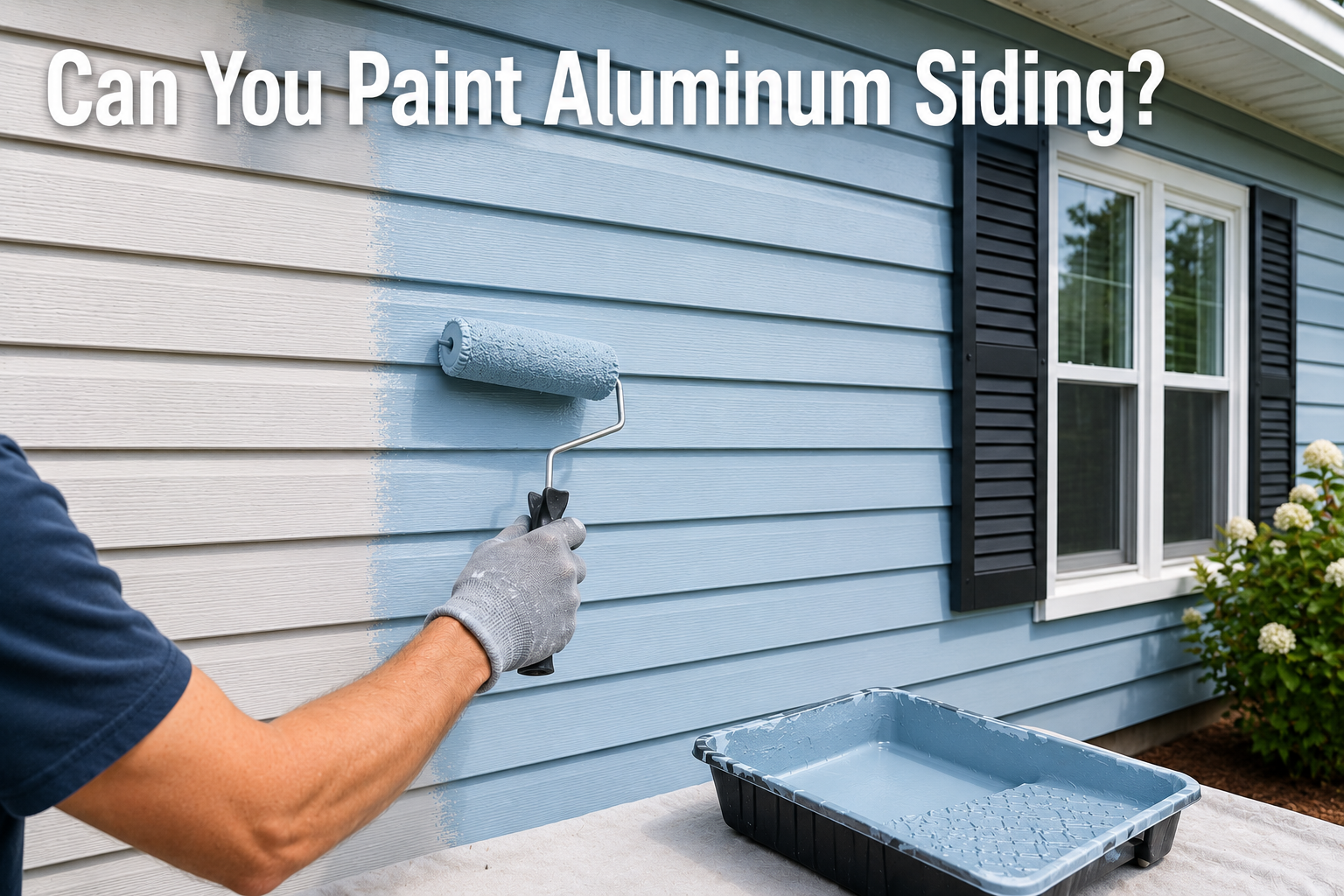
If your home has aluminum siding that looks faded, chalky, or simply outdated, you have probably asked yourself, “Can you paint aluminum siding?” The good news is that the answer is a clear yes. Aluminum siding is one of the more paint-friendly exterior materials, and with the right preparation and products, a fresh coat of paint can make an older home look brand new again without the high cost of full siding replacement.
In this guide, we will walk through everything you need to know about painting aluminum siding, from understanding the material itself to choosing the right paint, preparing the surface properly, and applying the paint for a finish that lasts for years. Whether you are a first-time DIYer or someone comparing painting versus replacing your siding, this article will give you a complete, easy-to-follow roadmap.
Understanding Aluminum Siding
Aluminum siding became a popular exterior choice starting in the mid-twentieth century because it was lightweight, resistant to rot, and did not attract insects the way wood siding did. Many homes built between the 1950s and 1980s still have their original aluminum panels, and while newer materials like vinyl and fiber cement have become more common, a huge number of homes across the country still rely on aluminum siding for protection and curb appeal.
Aluminum siding typically comes with one of a few finishes. Some panels are factory-painted with a baked-on enamel finish, some are anodized for a shiny, metallic look, and older panels may simply be bare or lightly coated aluminum. Over time, exposure to sun, rain, and temperature swings causes the original finish to break down. This is why homeowners often notice fading, a chalky white residue on the surface (known as chalking), small dents from hail or debris, or a dull, oxidized appearance.
Recognizing these signs early is important because they tell you not just that your siding needs attention, but also what kind of preparation will be required before painting. Chalky, oxidized siding needs a more thorough cleaning and priming process than siding that is simply faded but otherwise smooth.
Can You Really Paint Aluminum Siding?
Unlike some metals that resist paint adhesion, aluminum takes paint reasonably well once it has been properly prepared. The key reason aluminum siding is paintable is that modern acrylic paints and bonding primers are specifically formulated to stick to metal surfaces, flex with temperature changes, and resist peeling.
Painting your aluminum siding instead of replacing it comes with several real advantages. It costs significantly less than a full siding replacement, it can be completed over a weekend or two depending on the size of your home, and it allows you to update your home’s color scheme without generating construction waste. For homes with siding that is structurally sound but visually tired, painting is often the smarter financial decision.
That said, painting is not always the right call. If the siding has widespread corrosion, large sections of rust-through, loose or warped panels, or significant structural damage, painting will only mask the problem temporarily rather than solve it. In these cases, repair or replacement of the damaged sections should happen first, or the entire project may need to be reconsidered.
Best Time to Paint Aluminum Siding
Timing plays a bigger role in the success of an aluminum siding paint job than most people expect. Paint needs the right temperature and humidity conditions to cure properly, and painting under the wrong conditions can lead to bubbling, poor adhesion, or an uneven finish.
The ideal window for painting aluminum siding is during mild weather, generally when daytime temperatures sit between 50 and 85 degrees Fahrenheit, with low humidity and no rain expected for at least 24 to 48 hours after application. Spring and fall tend to offer the most consistent conditions in most climates. Painting during the height of summer can cause the paint to dry too quickly, especially on surfaces exposed to direct sun, while painting in cold winter conditions can prevent the paint from curing correctly at all.
It is also worth avoiding extremely windy days, since wind can blow dust and debris onto wet paint, and early morning painting is often better than midday painting because the metal surface has not yet absorbed the full heat of the sun.
Tools and Materials Needed
Before starting, gathering the right supplies will make the entire project smoother and help you avoid mid-project trips to the hardware store. Below is a practical checklist of what you will typically need.
| Category | Items Needed |
|---|---|
| Cleaning Supplies | Garden hose or pressure washer, mild detergent or TSP cleaner, soft-bristle brush, buckets |
| Surface Prep Tools | 120–150 grit sandpaper or sanding sponge, wire brush (for rust spots), scraper |
| Primer | Rust-inhibiting or bonding metal primer suitable for exterior use |
| Paint | 100% acrylic latex exterior paint |
| Application Tools | Paintbrushes, rollers with medium nap, or an airless paint sprayer |
| Masking Supplies | Painter’s tape, plastic sheeting or drop cloths |
| Safety Gear | Work gloves, safety goggles, dust mask or respirator, sturdy ladder |
Having everything on hand before you begin also helps you plan your time realistically, since preparation usually takes longer than the actual painting.
Step-by-Step Preparation Process
Preparation is the single most important stage when it comes to how long your paint job will last. Skipping or rushing this stage is the number one reason aluminum siding paint jobs fail early.
Start by walking around the entire house and inspecting the siding closely. Look for loose panels, dents, small holes, or areas where rust has started to form. Note these areas so you can address them before painting rather than discovering them mid-project.
Next, wash the siding thoroughly. A pressure washer works well for this, though a garden hose with a mild detergent solution and a soft brush can also do the job on smaller homes. This step removes dirt, mildew, and loose debris that would otherwise prevent paint from bonding properly.
After washing, check for chalking by wiping a clean cloth across the siding. If the cloth comes away with a white, powdery residue, the surface still has chalk that needs to be removed with additional scrubbing or a specialized chalk-removing cleaner, since paint will not adhere well over chalky residue.
Once the surface is clean and dry, lightly sand any glossy or oxidized areas using fine-grit sandpaper. This step, sometimes called “scuffing,” creates a slightly rough texture that gives the primer something to grip onto. Any rusted spots should be treated with a wire brush to remove loose rust before priming.
Finally, repair any dents or small holes using an exterior-grade metal filler, and secure any loose panels with appropriate fasteners. Mask off windows, doors, light fixtures, and trim with painter’s tape and plastic sheeting to protect them from overspray or drips.
Priming Aluminum Siding
Primer is not an optional step when painting aluminum siding, it is essential. Bare metal, repaired areas, and previously oxidized sections all need a bonding primer to ensure the topcoat adheres correctly and does not peel within a year or two.
Choose a primer specifically labeled for use on metal or aluminum surfaces, ideally one with rust-inhibiting properties even if you did not see visible rust, since it offers extra long-term protection. Apply the primer evenly using a brush or roller, taking care to cover corners, seams, and any repaired sections thoroughly. Most primers require at least a few hours of drying time, though it is best to check the manufacturer’s instructions and allow a full 24 hours if humidity is higher than usual.
Skipping primer or using an interior-only primer is one of the most common mistakes that leads to premature peeling, so this step deserves patience even if it feels like it is slowing down the project.
Choosing the Right Paint
When people ask, “Can you paint aluminum siding with any paint?” the honest answer is no, not any paint will hold up well. The best choice for aluminum siding is 100% acrylic latex exterior paint. This type of paint is flexible, which allows it to expand and contract with the metal as temperatures change throughout the year, reducing the risk of cracking or peeling.
| Paint Type | Suitability for Aluminum Siding | Notes |
|---|---|---|
| 100% Acrylic Latex | Highly recommended | Flexible, durable, resists fading |
| Oil-Based Paint | Use with caution | Can work over old oil coatings, but is less flexible and may crack over time |
| Standard Latex (non-acrylic) | Not ideal | Lower durability and adhesion on metal |
Color choice also matters more than many homeowners realize. Darker colors absorb more heat, which can cause the aluminum panels to expand more and, in some cases, warp slightly over time, especially in very hot climates. Lighter and mid-tone colors tend to perform better long-term, though darker colors can still be used successfully with high-quality paint and proper installation.
How to Paint Aluminum Siding: Step-by-Step
Once the surface is cleaned, repaired, and primed, it is time for the actual painting. Applying paint correctly makes a noticeable difference in both appearance and durability.
Begin with a thin, even first coat, working in the same direction as the siding panels to avoid visible brush or roller marks. Avoid overloading the brush or roller, since thick, uneven coats are more likely to drip, sag, or take longer to cure properly. Allow the first coat to dry fully, typically four to six hours depending on weather conditions, before applying a second coat.
The second coat should be applied the same way, focusing on even coverage rather than speed. Two coats are almost always necessary for aluminum siding, since a single coat rarely provides full, uniform coverage or adequate long-term protection.
As for tools, brushes work well for detail areas and trim, rollers are efficient for large flat panel sections, and an airless paint sprayer can dramatically speed up the process on larger homes, though it requires more careful masking to avoid overspray on windows, plants, or neighboring surfaces.
Common Mistakes to Avoid
Many aluminum siding paint jobs fail not because of the paint itself, but because of avoidable errors during preparation or application. Being aware of these common mistakes can save significant time, money, and frustration.
- Skipping the cleaning or priming stage to save time, which almost always leads to early peeling
- Painting during extreme heat, direct sun, or right before rain, which affects how the paint cures
- Using interior paint or a paint not rated for exterior metal surfaces
- Ignoring small rust spots instead of treating them before painting
- Applying paint too thickly in an attempt to cover in fewer coats, which increases the risk of drips and uneven drying
Taking a little extra time to do each step correctly the first time is almost always faster in the long run than having to repaint again within a few years.
Maintenance After Painting
Once your aluminum siding has been painted, a small amount of ongoing maintenance will help protect your investment. A properly painted and maintained surface can often last ten to fifteen years or more before it needs to be repainted, though this varies based on climate and paint quality.
Rinsing the siding gently with a hose once or twice a year helps remove dirt and pollen buildup before it accumulates. Inspecting the siding annually for any chips, scratches, or areas where paint has started to lift allows you to touch these areas up quickly before moisture can get underneath the paint layer. Keeping a small amount of the original paint on hand specifically for touch-ups makes this process quick and ensures a color match.
Cost Considerations
One of the biggest reasons homeowners choose to paint rather than replace aluminum siding is cost. While exact prices vary by region, home size, and whether you hire a professional or do the work yourself, the general cost comparison usually favors painting by a wide margin.
| Option | Typical Cost Range (Average Home) | Notes |
|---|---|---|
| DIY Painting | Lower cost, mainly materials | Requires time, tools, and physical effort |
| Professional Painting | Moderate cost | Includes labor, equipment, and expertise |
| Full Siding Replacement | Significantly higher cost | Involves removal, disposal, and new material installation |
For homeowners on a budget, or those who simply want to refresh their home’s appearance without a major renovation, painting offers a practical middle ground between doing nothing and undertaking a full siding replacement.
Pros and Cons of Painting Aluminum Siding
Like any home improvement decision, painting aluminum siding comes with both benefits and limitations worth weighing before you start.
On the positive side, painting is considerably less expensive than replacement, it can be completed relatively quickly, it allows for full customization of color, and it extends the useful life of siding that is otherwise still structurally sound. It is also a project that many homeowners can complete themselves with the right preparation and patience.
On the other hand, painting requires real preparation work that cannot be skipped without affecting results, it may need to be repeated every decade or so depending on paint quality and climate, and it is not a permanent fix for siding that has significant structural damage or widespread corrosion. In those more serious cases, replacement becomes the more sensible long-term solution.
Frequently Asked Questions
Do you need to prime aluminum siding before painting? Yes. Primer is essential for proper paint adhesion, especially on bare, oxidized, or repaired sections of aluminum siding.
How long does painted aluminum siding last? With proper preparation and a quality acrylic latex paint, a paint job on aluminum siding can last anywhere from ten to fifteen years, sometimes longer with good maintenance.
Can you spray paint aluminum siding? Yes, an airless paint sprayer can be used for faster, even coverage, particularly on larger homes, though careful masking is required to protect surrounding areas.
What happens if you don’t clean the siding first? Paint applied over dirty, chalky, or oxidized siding is far more likely to peel or flake within a short period, since it cannot properly bond to the surface underneath.
Is it cheaper to paint or replace aluminum siding? Painting is almost always significantly cheaper than full replacement, making it the preferred option for siding that is still in structurally sound condition.
Conclusion
So, can you paint aluminum siding? Absolutely, and doing so can be one of the most cost-effective ways to refresh the look of your home. Success comes down to following the right process: thoroughly cleaning the surface, addressing any chalking, rust, or damage, applying a proper bonding primer, and finishing with two coats of high-quality acrylic latex exterior paint. Skipping steps to save time almost always leads to disappointing results within just a few years, while taking the process seriously can give you a durable, attractive finish that lasts for over a decade.
Whether you decide to tackle this as a DIY weekend project or hire a professional painting crew, understanding exactly what painting aluminum siding involves will help you get a result you are happy with for years to come.
Related Articles
How to Clean Yellow Drips on Bathroom Walls?
How To Get Blu Tack Stains Off Walls: A Complete Step-By-Step Guide
Garage Floor Wet When It Rains: Causes & Fixes
How To Restain Kitchen Cabinets? Step-By-Step Guide For Beginners