



Introduction
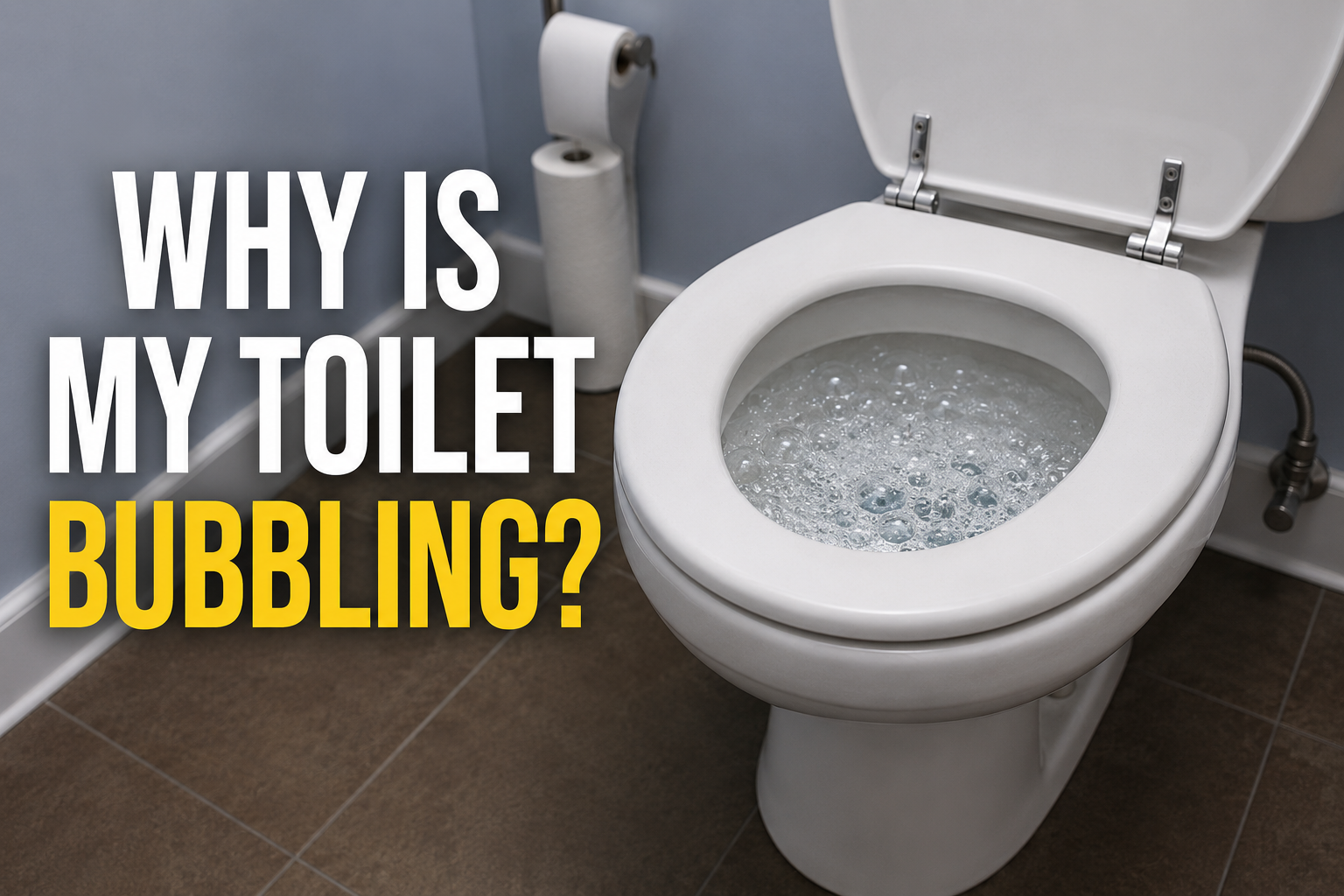
Few things are as unsettling as sitting in your bathroom and hearing strange gurgling sounds coming from your toilet bowl, followed by bubbles rising to the surface for no obvious reason. If you have ever asked yourself, “why is my toilet bubbling?“, you are not alone. This is one of the most common plumbing concerns homeowners search for, and thankfully, it usually has a clear explanation.
In short, a bubbling toilet almost always means that air is trapped somewhere in your drainage or venting system and is trying to escape through the path of least resistance, which happens to be your toilet bowl. While this can sometimes be a minor and harmless occurrence, in other cases it can be an early warning sign of a much bigger issue building up in your home’s plumbing network.
This guide breaks down everything you need to know in simple, everyday language. You will learn what causes toilet bubbling, how to tell if it’s serious, how to diagnose the issue yourself, and what steps to take to fix it for good.
What Does It Mean When a Toilet Bubbling Happens?
To understand why a toilet bubbles, it helps to know a little bit about how your home’s plumbing system works. Every drain in your house, including sinks, showers, washing machines, and toilets, is connected to a shared network of pipes that eventually leads to your main sewer line. This network also includes vent pipes that run up through your roof, allowing air to flow in and out of the system.
These vent pipes exist for a very important reason. Without them, water flowing through the pipes would create a vacuum or pressure imbalance, which could pull water out of the traps beneath your fixtures or slow down drainage significantly. The venting system allows air to enter and exit smoothly so that water can flow freely without disruption.
When something blocks this airflow, whether inside the drain pipes or the vent stack, the trapped air has to find another way out. Since the toilet has a direct, wide-open path to the drainage system, it often becomes the easiest exit point for that trapped air. As the air pushes upward through the water sitting in the toilet bowl, it creates the bubbling or gurgling effect you notice.
Common Causes of a Bubbling Toilet
There are several possible reasons behind toilet bubbling, ranging from simple and easy to fix, to more serious issues that require professional attention. Below is a detailed breakdown of the most common culprits.
Clogged Main Sewer Line
One of the most frequent reasons homeowners notice a bubbling toilet is a blockage in the main sewer line. This is the large pipe that carries wastewater away from your home and connects to the municipal sewer system or a septic tank. When this line becomes partially blocked by grease, waste buildup, foreign objects, or debris, air and gas can become trapped behind the clog.
Since the toilet is usually the largest and most direct opening into the drainage system, trapped air will often bubble up through it first. If the clog is severe, you may also notice slow drainage in other parts of the house, such as showers or sinks, especially on the lowest level of your home.
Blocked or Damaged Vent Stack
The vent stack is a vertical pipe that runs from your drainage system up through the roof, allowing air to enter and exit the plumbing system safely. Over time, this pipe can become blocked by fallen leaves, small branches, bird nests, ice during winter months, or even small animals seeking shelter.
When the vent stack is blocked, air cannot escape properly through the roof, so it searches for another way out, often through the toilet. This is one of the most common explanations people find when researching why is my toilet bubbling, particularly in homes surrounded by trees or in colder climates where ice can form inside the vent opening.
Partial Clog in the Toilet Trap or Drain
Sometimes the issue is much simpler and localized to the toilet itself. A partial clog within the toilet’s internal trap or the drain line leading away from it can cause changes in air pressure each time you flush. This pressure change can result in bubbling, even if the rest of your plumbing system is working perfectly fine.
This type of clog is often caused by excessive toilet paper, wipes that are not truly flushable, hygiene products, or other items that should never be flushed in the first place.
Tree Root Intrusion
Tree roots are naturally drawn to the moisture inside sewer pipes, and over time, they can grow into small cracks or joints in the pipeline. As roots expand, they gradually restrict the flow of wastewater and trap air inside the line. This is a particularly common issue in older homes or properties with mature trees planted close to the sewer line.
Root-related bubbling often appears gradually and may worsen after heavy rainfall, since saturated soil encourages root growth toward pipes.
Municipal Sewer Issues
In some cases, the problem is not even inside your home at all. Heavy rainfall, city sewer maintenance work, or blockages in the municipal sewer system can cause pressure changes that travel back through your home’s plumbing. If multiple neighbors are experiencing similar bubbling or gurgling sounds around the same time, this could point to a shared municipal issue rather than something specific to your property.
Plumbing System Age or Poor Design
Older homes sometimes have outdated or incorrectly sized venting systems that were not built to modern plumbing standards. Similarly, poorly executed DIY plumbing work or renovations can accidentally interfere with proper venting. In these cases, the bubbling may not be caused by a blockage at all, but rather by a design flaw that has existed for years without being noticed.
When Does Toilet Bubbling Happen? Diagnostic Clues
Understanding exactly when the bubbling occurs can help you narrow down the root cause before calling a professional. Pay close attention to these patterns.
If bubbling happens only when you flush the toilet itself, the issue is likely isolated to the toilet’s own trap or the drain line immediately connected to it. If bubbling occurs when you run the sink, shower, or washing machine instead, this points toward a shared drainage or venting issue affecting multiple fixtures. Bubbling that appears or worsens after heavy rainfall often suggests either tree root intrusion or a municipal sewer system that is overwhelmed with excess water. When bubbling is accompanied by gurgling sounds from other drains around the house, this is a strong indicator of a vent stack blockage or a main line clog affecting the entire system.
The table below summarizes these patterns for quick reference.
| Symptom | Likely Cause |
|---|---|
| Bubbling only when flushing the toilet | Localized clog in toilet trap or nearby drain |
| Bubbling when running sink, shower, or washing machine | Vent stack blockage or main sewer line clog |
| Bubbling worsens after heavy rain | Tree root intrusion or municipal sewer overload |
| Gurgling sounds from multiple drains | Blocked vent stack or main line clog |
| Neighbors report similar issues | Municipal sewer system problem |
Is a Bubbling Toilet Dangerous?
Many homeowners want to know whether this issue is simply annoying or genuinely dangerous. The truthful answer is that it depends on the underlying cause and how long it has been ignored.
From a health perspective, sewer gases contain compounds that can be unpleasant to breathe in and, in rare cases, harmful with prolonged exposure. If bubbling is accompanied by a foul sewage smell in your bathroom, this is worth addressing sooner rather than later.
From a property standpoint, an ignored blockage can eventually lead to a full sewer backup, which may cause wastewater to flow back into your home through drains or the toilet itself. This kind of backup can result in significant water damage and costly cleanup.
That said, occasional, mild bubbling that happens only once in a while and resolves on its own is often just a minor and temporary pressure imbalance, not necessarily a serious threat. The key is to monitor the frequency and severity of the bubbling over time.
How to Diagnose the Problem Yourself
Before calling in a professional, there are a few simple steps you can take at home to better understand what might be going on.
Start by flushing the toilet on its own, with no other water running in the house, and carefully observe whether bubbling occurs and how strong it is. Next, try running the bathroom sink, shower, or kitchen faucet while watching the toilet bowl to see if bubbling appears during that process. If you are comfortable doing so and it is safe, take a look at the outdoor vent pipe on your roof to check for visible debris, nests, or blockages, though this step may be best left to a professional if your roof is difficult to access safely.
It is also worth checking other drains around your home for slow drainage, gurgling noises, or unusual smells, since these additional clues can help confirm whether the issue is isolated or system-wide.
A simple diagnostic checklist looks like this:
- Flush the toilet alone and observe bubbling.
- Run other fixtures and watch the toilet bowl.
- Check for slow drains elsewhere in the house.
- Note any unusual sounds or smells.
- Check for visible vent blockages if safely accessible.
How to Fix a Bubbling Toilet
Once you have a better idea of what might be causing the issue, you can begin addressing it using either DIY methods or professional help, depending on the severity.
DIY Fixes You Can Try
For minor clogs, using a good quality plunger correctly can often clear the blockage causing pressure changes. Make sure the plunger fully covers the drain opening and use firm, steady pushes rather than aggressive force. If plunging does not work, a toilet auger, sometimes called a closet auger, can reach further into the drain to break up or remove stubborn clogs that a plunger cannot dislodge.
If you suspect a vent blockage and can safely access your roof, carefully remove visible debris such as leaves or nesting materials from the vent opening. Always prioritize safety and avoid climbing onto a roof without proper precautions.
When to Use Drain Cleaning Products
Chemical drain cleaners are widely available, but they should be used with caution. These products can sometimes cause damage to older pipes and are generally not effective against serious clogs like tree root intrusion. They are best reserved for minor, localized clogs and should always be used strictly according to the manufacturer’s instructions.
When a Professional Plumber Is Necessary
If DIY methods do not resolve the bubbling, or if the problem keeps returning, it is time to call a licensed plumber. Professionals typically use a camera inspection tool to visually examine the inside of your pipes and pinpoint the exact location and cause of the blockage. Depending on what they find, they may use hydro-jetting to clear stubborn debris and buildup, or specialized equipment to cut through and remove tree roots that have infiltrated the line.
Cost Considerations
The cost of resolving a bubbling toilet issue can vary significantly depending on the root cause and the complexity of the repair.
| Type of Fix | Estimated Cost Range |
|---|---|
| DIY plunging or basic drain cleaning products | Low cost, often under a small household budget |
| Toilet auger or snake rental/purchase | Affordable, moderate one-time cost |
| Professional drain cleaning or camera inspection | Moderate cost, varies by provider |
| Vent stack repair or unclogging | Moderate to higher cost depending on roof access |
| Main sewer line repair or root removal | Highest cost, especially if excavation is required |
Costs will vary based on your location, the plumbing company you choose, and the specific complexity of the job, so it is always a good idea to get a written estimate before agreeing to major repair work.
How to Prevent Toilet Bubbling in the Future
Prevention is always easier and less costly than dealing with a full-blown plumbing emergency. A few simple habits can go a long way in keeping your system running smoothly.
Avoid flushing anything other than toilet paper and human waste, since items like wipes, cotton products, and paper towels are common causes of clogs even when labeled as flushable. Scheduling periodic drain maintenance or inspections, especially in older homes, can help catch small issues before they escalate. If you have trees near your sewer line, consider having a professional periodically check for early signs of root intrusion.
It is also wise to check your roof vent stack seasonally, particularly after storms or during the fall when leaves are more likely to accumulate, and before winter when ice buildup becomes a concern. If you are planning new landscaping, try to plant trees a safe distance away from underground sewer lines to reduce the risk of future root problems.
Frequently Asked Questions
Is toilet bubbling always serious? Not necessarily. Occasional, mild bubbling can be a harmless and temporary pressure imbalance, but frequent or worsening bubbling usually signals a real underlying issue that should be checked.
Can I ignore occasional bubbling? If it happens rarely and resolves on its own without any bad smells or slow drains, it is generally safe to simply monitor it. Persistent or worsening bubbling should not be ignored.
Why does my toilet bubble only sometimes? Intermittent bubbling often happens when a partial blockage only affects airflow under certain conditions, such as when multiple fixtures are used at once or during heavy water usage periods.
Can weather affect toilet bubbling? Yes. Heavy rainfall can overload municipal sewer systems or encourage tree root growth toward pipes, while winter weather can cause ice blockages in vent stacks.
How much does it cost to fix a sewer vent? Costs vary widely depending on location and accessibility, but vent repairs are generally more affordable than full sewer line repairs, especially if the blockage is simply debris that can be cleared.
Can a bubbling toilet fix itself? In rare cases involving very minor, temporary blockages, the issue may resolve on its own. However, most causes require some form of intervention, whether DIY or professional, to be fully resolved.
Conclusion
If you have been asking yourself why is my toilet bubbling, the good news is that this is a well-understood plumbing issue with several identifiable causes, ranging from simple clogs to more involved problems like tree root intrusion or vent stack blockages. By paying attention to when the bubbling occurs, checking other fixtures in your home, and following the diagnostic steps outlined in this guide, you can often narrow down the cause fairly quickly.
While some cases can be resolved with simple DIY methods like plunging or clearing a vent, others require the expertise of a licensed plumber, particularly when main sewer lines or tree roots are involved. The most important thing is not to ignore persistent or worsening bubbling, since early attention can save you from a much more expensive and disruptive plumbing emergency down the road. If you remain unsure at any point, reaching out to a trusted local plumber for a proper inspection is always a safe and worthwhile step.
Related Articles
How Much Do Kitchen Cabinets Cost in 2026? Complete Pricing Guide
How to Install 12×12 Ceiling Tiles With Staples?
Is Ceiling Ghosting Dangerous? What Those Dark Streaks Actually Mean
What Is the Minimum Pitch for a Metal Roof?
How to Get Wrinkles Out of New Curtains (No Ironing Required)