



Introduction
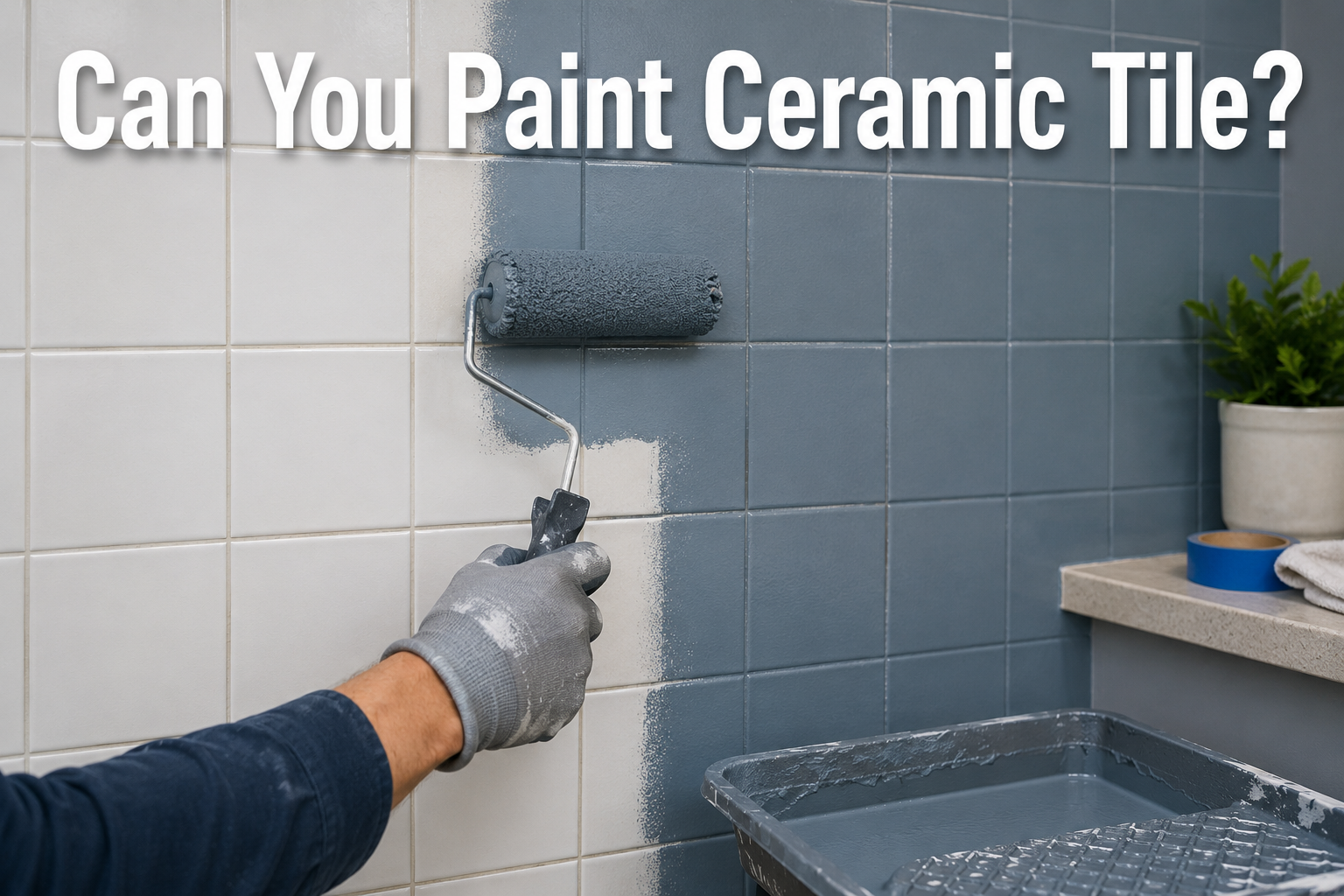
If your kitchen backsplash, bathroom wall, or old floor tile looks tired but you are not ready to spend money on a full renovation, you have probably asked yourself: can you paint ceramic tile? The short answer is yes, and thousands of homeowners do it every year to save money and give their space a fresh look without tearing anything out. Painting tile has become a popular do-it-yourself project because it is fast, affordable, and does not require hiring a contractor.
People usually consider painting ceramic tile for a few common reasons. Some want a budget-friendly renovation because replacing tile can be expensive and time-consuming. Others are renters who want a quick, semi-permanent refresh without making changes their landlord will not approve of. And many simply want to update an outdated color scheme without the mess of demolition. Whatever your reason, the good news is that with the right products, tools, and preparation, painting ceramic tile is a realistic and rewarding project. This guide walks you through everything you need to know, from choosing the right paint to keeping your newly painted tile looking good for years.
Can You Really Paint Ceramic Tile?
Yes, ceramic tile can genuinely be painted, but it helps to understand how the process works before diving in. Ceramic tile has a smooth, glazed surface that is designed to resist stains, moisture, and scratches. This same quality that makes tile so durable also makes it naturally resistant to paint sticking to it. That is why simply brushing paint onto tile without preparation almost always leads to peeling and chipping within weeks.
The trick lies in breaking down that glossy glaze slightly through sanding, cleaning away oils and residue, and applying a strong bonding primer made specifically for slick surfaces. Once the surface is properly prepped, paint has something to grip onto, and it can last for a long time with proper care. It is important to set realistic expectations, though. Painted tile will not feel or perform exactly like brand-new tile. It will not have the same glass-like hardness, and it may show wear sooner in high-traffic areas. However, for the right locations and with proper maintenance, painted ceramic tile can look remarkably close to a full tile replacement, at a fraction of the cost and effort.
Best Areas to Paint Ceramic Tile
Not every tiled surface in your home is a good candidate for painting. Some areas handle painted finishes beautifully, while others are simply not practical because of moisture, foot traffic, or constant wear.
Kitchen backsplashes are one of the best places to paint tile because they are mostly exposed to light splashes rather than standing water, and they do not get walked on. Accent walls, such as a feature wall in a bathroom or a decorative fireplace surround, are also excellent choices since they see very little physical contact. Low-traffic floors, like a small guest bathroom or a laundry room that is not used constantly, can also work reasonably well if the paint is properly sealed.
On the other hand, some areas are best left alone. Shower floors and walls that receive constant water exposure are risky because moisture speeds up peeling, and slippery painted surfaces can even become a safety hazard. Similarly, heavily used kitchen floors or entryways that see daily foot traffic, shoes, and dragging furniture will wear down painted finishes much faster than lower-contact surfaces. Choosing the right location from the start makes a huge difference in how long your painted tile will last.
Types of Paint That Work on Ceramic Tile
Choosing the correct paint is one of the most important decisions in this entire project. Not all paints are formulated to bond with a slick, glazed surface, so picking the wrong one can waste time and money.
Epoxy Paint is widely considered the most durable option for tile because it forms an extremely hard, chemical-resistant shell once cured. It is commonly used for kitchen and bathroom tile because it can handle moisture and light traffic far better than standard paint. The trade-off is that epoxy can have a strong odor during application and usually requires careful mixing and a longer curing time.
Acrylic Latex Paint with a Bonding Primer is a more budget-friendly and beginner-friendly choice. On its own, acrylic paint will not stick well to tile, but when paired with a high-quality bonding primer designed for glossy surfaces, it can perform quite well for lower-traffic areas like accent walls or backsplashes.
Oil-Based Paint offers strong adhesion and a hard finish, making it a solid option for surfaces that need extra durability. However, it tends to have a longer drying time and stronger fumes, so proper ventilation is essential.
Tile-Specific Paint Kits are pre-packaged systems that usually include a primer, paint, and sometimes a topcoat, all formulated to work together specifically for tile surfaces. These kits take the guesswork out of pairing compatible products and are a great option for first-time painters.
Chalk Paint has gained popularity for furniture and decor projects, and while it can technically be used on tile, it generally requires heavy sealing afterward since chalk paint alone is porous and not very water-resistant. It works best for decorative, low-contact tile surfaces rather than functional ones.
| Paint Type | Durability | Best For | Difficulty Level |
|---|---|---|---|
| Epoxy Paint | Very High | Kitchens, bathrooms, moisture-prone areas | Moderate to Advanced |
| Acrylic Latex + Primer | Moderate | Accent walls, backsplashes | Beginner-Friendly |
| Oil-Based Paint | High | Areas needing a hard, durable finish | Moderate |
| Tile-Specific Kits | High | First-time painters wanting an all-in-one solution | Beginner-Friendly |
| Chalk Paint | Low to Moderate (needs sealing) | Decorative, low-contact surfaces | Beginner-Friendly |
Tools & Materials Needed
Before you start, it helps to gather everything in advance so you are not pausing mid-project to run to the store. Here is what you will typically need for a successful ceramic tile painting project:
- Fine to medium sandpaper, generally in the 120 to 220 grit range
- TSP cleaner or a strong degreaser to remove grease, soap scum, and residue
- A bonding primer formulated for glossy or slick surfaces
- Your chosen paint, whether epoxy, acrylic, oil-based, or a tile kit
- A small foam roller and an angled brush for edges and grout lines
- Painter’s tape to protect surrounding surfaces
- Drop cloths to catch drips and protect flooring or countertops
- A clear protective sealant or topcoat for long-term durability
- Safety gear including gloves, a protective mask, and good ventilation, especially when using epoxy or oil-based products
Having these items ready before you begin will make the entire process smoother and help you avoid mistakes caused by rushing or improvising.
Step-by-Step Painting Process
Painting ceramic tile is a multi-stage process, and skipping steps is the most common reason projects fail. Below is a detailed breakdown of each stage.
Step 1: Clean the Tile Thoroughly. Start by removing all dirt, grease, and soap residue using a TSP cleaner or strong degreaser. Even small amounts of oily residue can prevent paint from bonding properly, so this step should not be rushed.
Step 2: Sand the Surface to Remove Gloss. Using medium-grit sandpaper, lightly sand the entire tile surface until the glossy shine becomes dull and slightly textured. This texture gives the primer something to grip onto.
Step 3: Wipe Away Dust and Residue. After sanding, wipe the tile down with a damp cloth to remove all dust particles, then let it dry completely before moving forward.
Step 4: Apply Bonding Primer. Using a foam roller, apply an even coat of bonding primer across the entire tile surface, making sure to get into grout lines and edges with a small brush.
Step 5: Let the Primer Cure. Follow the manufacturer’s recommended curing time before applying paint. Rushing this step is one of the most common reasons painted tile peels prematurely.
Step 6: Apply the First Coat of Paint. Using smooth, even strokes, apply your first coat of paint. Avoid applying too thick a layer, as this can lead to uneven drying and cracking.
Step 7: Apply a Second Coat if Needed. Most projects require at least two coats for full, even coverage. Allow the first coat to dry completely before applying the second.
Step 8: Apply a Protective Sealant or Topcoat. Once the paint has fully dried, apply a clear sealant to protect the surface from moisture, scratches, and everyday wear.
Step 9: Allow Proper Curing Time Before Use. Even after the surface feels dry to the touch, it typically needs additional time to fully cure and harden before it is ready for regular use.
How to Paint Grout Lines?
Grout lines require a bit of extra attention because they are porous and textured differently than the tile itself. Many people choose to use a specialized grout pen instead of regular paint, since these pens are designed specifically to color grout lines cleanly without spreading onto the surrounding tile. If you prefer to paint grout lines using the same paint as the tile, a small, precise brush works best to avoid smudging into the tile surface.
It is also worth sealing grout separately from the tile itself, since grout absorbs moisture differently and often needs its own dedicated sealant to prevent staining or discoloration over time. Taking a little extra care with grout lines can make the difference between a professional-looking finish and a project that looks obviously touched up.
Drying & Curing Time
One of the most misunderstood parts of painting ceramic tile is the difference between drying and curing. Touch-dry simply means the paint no longer feels wet or tacky, which usually happens within a few hours. Full curing, however, is when the paint reaches its maximum hardness and durability, and this can take anywhere from several days to a couple of weeks depending on the product used.
Humidity plays a significant role in this process. In humid environments, paint takes longer to dry and cure properly, which is why bathrooms and kitchens sometimes need extra patience or additional ventilation, such as a fan or dehumidifier, during the curing period. Walking on or using painted tile before it has fully cured is one of the most common causes of early damage, so patience during this stage really does pay off.
Durability: How Long Does Painted Tile Last?
The lifespan of painted ceramic tile varies quite a bit depending on the type of paint used, the amount of foot traffic the area receives, and how well it is maintained afterward. On average, painted tile can last anywhere from one to five years before it needs touch-ups or a full repaint.
Several factors influence this durability. Moisture exposure tends to shorten the lifespan of painted tile, which is why bathroom floors and shower areas wear out faster than dry backsplashes. Foot traffic is another major factor, since areas that are walked on daily will naturally show wear sooner than decorative walls. Finally, the cleaning methods used afterward matter as well, since harsh scrubbing or abrasive chemicals can wear down even a well-applied paint job much faster than gentle, tile-safe cleaning products.
Pros of Painting Ceramic Tile
Painting ceramic tile comes with several genuine advantages that make it an appealing option for many homeowners.
- It is significantly more cost-effective than fully replacing tile, since you avoid demolition, new materials, and installation labor.
- The transformation happens relatively quickly, often within a weekend, compared to weeks-long renovation projects.
- There is a wide range of colors and finishes available, giving you far more creative freedom than sticking with your existing tile design.
- It is a great option for renters, since it can refresh a space without the permanent changes that come with actual tile replacement.
Cons & Limitations
At the same time, it is important to go into this project with realistic expectations about its downsides.
- Painted tile is more prone to chipping and peeling over time compared to factory-glazed tile.
- It generally does not match the long-term durability of brand-new tile, especially in high-moisture or high-traffic areas.
- The success of the project depends heavily on careful surface preparation, and skipping steps often leads to disappointing results.
- Depending on wear and tear, painted tile may eventually need reapplication or touch-ups within a few years.
Common Mistakes to Avoid
Many painting projects fail not because of the paint itself, but because of avoidable mistakes during preparation or application. Skipping the primer is one of the most frequent errors, since paint applied directly to glazed tile without a bonding primer rarely holds up. Not sanding the surface enough is another common issue, as an insufficiently roughened surface gives paint very little to grip onto.
Painting in humid conditions can also cause problems, since excess moisture in the air interferes with proper drying and curing. Skipping the final sealant is another mistake that shortens the lifespan of the project significantly, as the sealant acts as the main barrier against daily wear and moisture. Finally, attempting to paint shower floors, which endure constant water exposure and friction, is generally not recommended and tends to lead to premature peeling.
Maintenance Tips for Painted Tile
Once your project is complete, a little ongoing care goes a long way toward preserving the finish. Always use gentle, non-abrasive cleaning products rather than harsh chemical cleaners, which can slowly break down the paint and sealant over time. Avoid scrubbing with rough sponges or brushes, since these can create fine scratches that eventually lead to peeling.
If you notice small chips or worn spots, addressing them early with a small touch-up brush can prevent the damage from spreading further. It is also a good idea to reseal the surface periodically, generally once every year or two depending on how much use the area gets, to keep the protective topcoat strong and effective.
Cost Comparison: Painting vs. Replacing Tile
One of the biggest draws of painting ceramic tile is the dramatic cost savings compared to full replacement. While exact prices vary by region and product quality, painting tile is generally a fraction of the cost of new tile installation, since it eliminates material removal, new tile purchases, and professional labor for installation.
| Factor | Painting Ceramic Tile | Replacing Ceramic Tile |
|---|---|---|
| Average Cost | Low to Moderate | Moderate to High |
| Time Required | A few days including curing | Several days to weeks |
| Labor | Mostly DIY-friendly | Often requires professional installation |
| Long-Term Durability | Moderate, may need touch-ups | High, long-lasting |
| Best For | Budget refreshes, renters, cosmetic updates | Permanent renovations, high-traffic areas |
For homeowners on a tight budget or those simply wanting a cosmetic update rather than a full renovation, painting clearly offers better short-term value, while replacement remains the better long-term investment for high-use areas.
Alternatives to Painting Tile
If painting does not feel like the right fit for your space, there are a few other options worth considering. Tile stickers or decals offer a peel-and-stick way to change the look of your tile without any painting involved, and they are especially popular for smaller accent areas. Tile overlays are thin panels that can be installed directly over existing tile to completely change its appearance without removal.
Peel-and-stick vinyl tile is another popular alternative, particularly for floors, since it offers a durable, water-resistant finish without the mess of paint. And of course, full replacement remains an option for those who want a completely new, long-lasting surface and are willing to invest more time and money into the project.
Frequently Asked Questions (FAQ)
Does painted tile need to be resealed? Yes, resealing periodically, typically once a year or so depending on wear, helps maintain the protective layer and extends the life of the paint job.
Can you paint tile in a bathroom? Yes, but it works best on walls, backsplashes, or low-moisture areas rather than shower floors or areas with constant water exposure.
Is painting tile permanent? It is considered semi-permanent. With proper care, it can last several years, but it will eventually need touch-ups or a full repaint depending on wear.
Will it work on textured tile? Yes, though textured tile may require extra attention during sanding and priming to ensure even coverage across all the grooves and ridges.
Conclusion
So, can you paint ceramic tile? Absolutely, and for many homeowners, it is a practical, budget-conscious way to breathe new life into a dated space without the cost and disruption of full tile replacement. The key to success lies almost entirely in preparation: thorough cleaning, proper sanding, a quality bonding primer, and a durable topcoat are what separate a long-lasting finish from one that peels within weeks.
For backsplashes, accent walls, and low-traffic areas, painting ceramic tile is generally a safe and rewarding project. For high-moisture or heavily trafficked surfaces like shower floors, it is worth weighing the limitations carefully or considering an alternative like tile overlays or full replacement. With realistic expectations and careful execution, painting ceramic tile can be one of the most cost-effective home improvement projects you take on this year.
Related Articles
Is Ceiling Ghosting Dangerous? What Those Dark Streaks Actually Mean
Small Black Bugs in Bathroom: What They Are and How to Get Rid of Them
Can You Paint a Metal Roof? The Complete Answer Homeowners Need
How Much Does It Cost to Replace a Roof? Full Material Price Guide
How To Get Rid Of Mold In Basement? Complete Step-by-Step Guide