



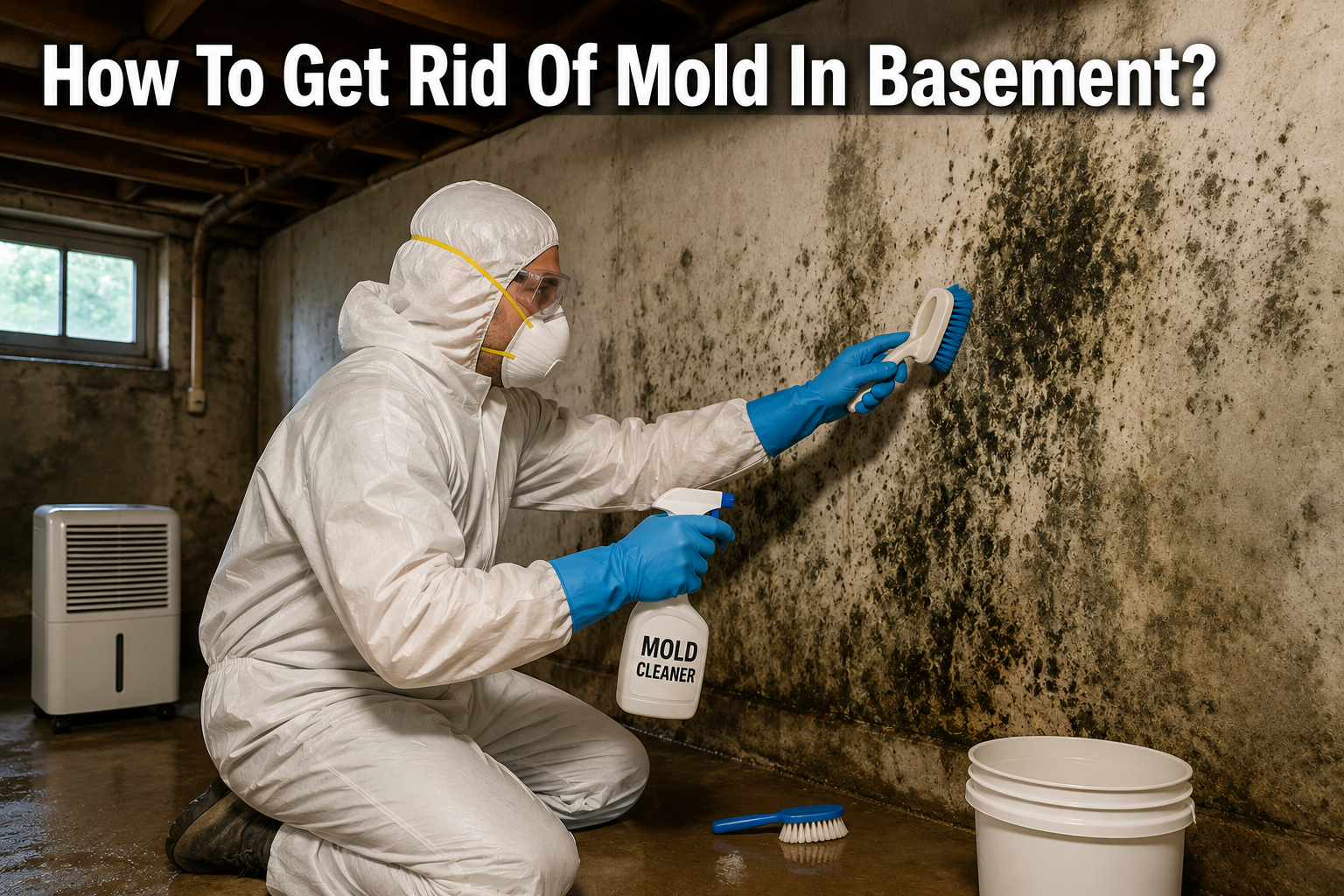
Basements are naturally dark, damp, and poorly ventilated, which makes them one of the most common places in a home for mold to develop. If you have recently noticed a musty smell, dark patches on the walls, or unexplained allergy symptoms when spending time downstairs, there is a good chance mold has already made itself at home. Many homeowners search for information on how to get rid of mold in basement spaces because the problem tends to creep up slowly and then suddenly becomes impossible to ignore.
The good news is that basement mold, in most cases, can be managed and removed without hiring an expensive specialist, as long as you understand what causes it, how to clean it safely, and how to stop it from returning. This guide walks you through everything you need to know, from identifying the type of mold you are dealing with to the exact steps for cleaning it and keeping your basement dry for good.
Understanding Basement Mold
Mold is a type of fungus that reproduces through tiny airborne spores. These spores exist almost everywhere, both indoors and outdoors, but they only turn into a visible mold colony when they land on a surface that offers three things: moisture, warmth, and a food source such as wood, drywall, cardboard, or dust. Basements check nearly every one of these boxes, which is exactly why mold problems tend to start there before spreading to the rest of the house.
There are several types of mold that commonly appear in basements, and while they may look similar to an untrained eye, they behave differently and carry different levels of risk.
| Mold Type | Common Appearance | Typical Growth Areas |
|---|---|---|
| Black mold (Stachybotrys) | Dark green or black, slimy texture | Wet drywall, wood, areas with prolonged flooding |
| White mold | Powdery or thread-like, white or gray | Wood beams, concrete, stored cardboard boxes |
| Green mold | Fuzzy, patchy, bright to dark green | Damp walls, air ducts, insulation |
| Cladosporium | Olive-green to brown, speckled | Carpet, fabric, HVAC systems |
It is also worth knowing the difference between mold and two other substances people often mistake for it. Mildew is a milder, surface-level fungus that is usually easier to wipe away and does not penetrate materials as deeply. Efflorescence, on the other hand, is not biological at all. It is a white, chalky mineral deposit left behind when water evaporates through concrete or brick, and while it signals a moisture issue, it is not something you need to treat the way you would treat mold.
Common warning signs that your basement has a mold problem include a persistent musty or earthy odor, visible spots or discoloration on walls, floors, or ceilings, peeling paint or bubbling wallpaper, and unexplained allergy-like symptoms such as sneezing, coughing, or itchy eyes whenever you spend time in the space.
Health Risks of Basement Mold
Mold exposure affects people differently depending on sensitivity, the type of mold present, and how long the exposure lasts. In the short term, most people experience symptoms similar to seasonal allergies, including sneezing, a runny or stuffy nose, itchy or watery eyes, skin irritation, and mild headaches. These symptoms often improve once the person leaves the moldy environment.
Long-term or heavy exposure is a different story. Individuals with asthma, chronic respiratory conditions, weakened immune systems, or mold allergies can experience worsened breathing difficulties, chronic sinus infections, and, in some documented cases, more serious respiratory complications. Children, older adults, and pregnant women are generally considered more vulnerable to these effects.
You may have also heard the term “toxic black mold” used online, often referring to Stachybotrys chartarum. While this species can produce mycotoxins under certain conditions, health agencies note that the term “toxic mold” is somewhat misleading, since the mold itself is not inherently poisonous to touch. That said, prolonged exposure to any mold in an enclosed space is not something to take lightly, and any large infestation should be treated seriously regardless of the exact species.
Common Causes of Basement Mold
Before jumping into removal, it helps to understand why mold formed in the first place. Cleaning the visible mold without addressing the underlying cause almost always leads to it coming back within weeks or months. Below are the most frequent culprits behind basement mold growth.
- Poor ventilation – Basements often lack windows or airflow, allowing moisture to sit stagnant instead of evaporating.
- High indoor humidity – Anything above 50 percent relative humidity creates favorable conditions for mold spores to settle and multiply.
- Water leaks – Cracks in the foundation, leaking pipes, or improperly sealed windows allow water to seep in gradually, often unnoticed until mold appears.
- Flooding or water seepage – Heavy rain, melting snow, or a nearby water table can push moisture through basement walls and floors.
- Condensation on cold surfaces – Pipes, concrete walls, and metal fixtures can “sweat” when warm, humid air meets a cooler surface, creating damp patches over time.
- Poor exterior drainage or grading – If the ground around your home’s foundation slopes toward the house instead of away from it, rainwater collects near the walls and eventually finds its way inside.
Identifying which of these applies to your home is often the single most important step in solving the problem permanently, not just temporarily.
Tools and Materials You Will Need
Before starting the cleanup process, gather the right supplies. Having everything ready beforehand makes the job faster and safer.
Protective gear:
- N95 respirator mask or better
- Rubber or nitrile gloves
- Safety goggles
- Old clothing or a disposable coverall
Cleaning supplies:
- White vinegar
- Baking soda
- Hydrogen peroxide (3 percent solution)
- Mild liquid detergent
- Optional: a commercial mold-killing spray
Equipment:
- Stiff scrub brush or sponge
- Spray bottle
- Dehumidifier
- Portable fans for air circulation
- Plastic sheeting (for isolating larger contaminated areas)
- Heavy-duty trash bags for disposal
Having these items on hand before you begin means you will not need to stop midway through the job, which is especially important once you have already exposed mold spores to the air.
Step-by-Step Guide to Removing Mold From Your Basement
Once you understand what caused the mold and you have your supplies ready, you can move on to the actual removal process. The following steps outline a safe and effective approach that works for most residential basement mold situations.
Step 1: Identify and fix the moisture source. There is no point cleaning mold if the water problem behind it is still active. Inspect for leaking pipes, cracked foundation walls, poorly sealed windows, or gutters that are directing water toward your home instead of away from it. Repair or address these issues first, even if it delays the cleaning slightly.
Step 2: Ventilate the basement. Open any available windows or doors, and set up fans to keep air moving. Good airflow reduces spore concentration in the air and speeds up drying once cleaning begins.
Step 3: Put on your protective gear. Mold spores can become airborne during cleaning, so wearing a mask, gloves, and goggles protects you from inhaling spores or getting cleaning solutions on your skin or in your eyes.
Step 4: Isolate the area for larger infestations. If the mold covers a wide area, use plastic sheeting to seal off the space from the rest of the basement. This prevents spores from spreading to unaffected rooms while you work.
Step 5: Clean smaller mold patches. For areas smaller than roughly ten square feet, a natural or mild chemical solution is usually enough. Apply your chosen solution, let it sit for the recommended time, then scrub the surface with a brush until the mold lifts away.
Step 6: Remove and replace heavily contaminated porous materials. Materials such as drywall, carpet, ceiling tiles, and insulation absorb moisture and mold spores deep into their structure. In most cases, scrubbing the surface is not enough, and the safest option is to cut out and replace the affected section entirely.
Step 7: Dry the area completely. After cleaning, use fans and a dehumidifier to fully dry the space. Leftover moisture is the number one reason mold returns after a seemingly successful cleanup.
Step 8: Dispose of moldy materials safely. Seal any removed materials in heavy-duty trash bags before carrying them through the rest of the house, to avoid spreading spores to other areas.
Natural vs. Chemical Mold Removal Methods
There are several proven cleaning solutions for mold, and the right one often depends on the severity of the infestation and your personal preference for natural versus chemical products.
| Method | How It Works | Best For | Notes |
|---|---|---|---|
| Vinegar and baking soda | Vinegar’s acidity kills many mold species; baking soda absorbs moisture and odor | Small to medium patches on non-porous surfaces | Mix vinegar in a spray bottle, apply, then follow with a baking soda and water paste for scrubbing |
| Hydrogen peroxide | Breaks down mold at a cellular level | Painted walls, tile, and countertops | Use a 3 percent solution and let it sit for around 10 minutes before scrubbing |
| Bleach solution | Kills mold on non-porous surfaces on contact | Tile, glass, and sealed concrete | Never mix bleach with ammonia-based products, as this creates toxic fumes; ensure strong ventilation |
| Commercial mold removers | Formulated specifically to kill and inhibit mold regrowth | Moderate infestations across various surfaces | Follow label instructions carefully, and always test on a small area first |
Natural solutions like vinegar and hydrogen peroxide are popular because they are inexpensive, safe for households with children or pets, and effective against many common mold species. Bleach, while powerful, works best on non-porous surfaces since it cannot penetrate deep into porous materials such as wood or drywall, meaning the mold underneath the surface can survive even after the visible portion is gone.
How to Prevent Mold From Coming Back
Removing existing mold is only half the job. Without prevention, most basements will develop new mold within months. The following measures create an environment where mold struggles to grow in the first place.
- Control humidity levels. Keep indoor humidity between 30 and 50 percent using a hygrometer to monitor levels regularly.
- Run a dehumidifier. This is especially useful in basements without natural ventilation, and many models can be set to maintain a target humidity automatically.
- Improve airflow. Ceiling fans, vents, or even simply keeping interior doors open can help air circulate and prevent stagnant, damp pockets from forming.
- Seal cracks and leaks. Inspect your foundation, windows, and pipe connections at least twice a year and seal any new gaps you find.
- Use mold-resistant materials. When renovating or repairing a basement, choose mold-resistant drywall, paint, and insulation designed to withstand damp conditions.
- Fix drainage issues outdoors. Make sure the ground slopes away from your foundation and that gutters direct water at least several feet from the house.
- Inspect regularly. Set a reminder to check basement corners, behind furniture, and under any exposed pipes every few months, since early detection makes future cleanups far easier.
When to Call a Professional
While many basement mold problems can be handled independently, some situations call for professional mold remediation services. You should consider hiring a specialist if:
- The mold covers an area larger than about ten square feet.
- Mold keeps returning despite repeated cleaning attempts.
- You suspect mold has spread into your HVAC system, which can circulate spores throughout the entire house.
- A household member is experiencing worsening respiratory symptoms or allergic reactions.
- The basement has experienced significant flooding or standing water.
When choosing a mold remediation company, look for certification from a recognized industry body, ask for a written estimate and scope of work before any job begins, and request references or recent customer reviews. A reputable company will also identify and explain the moisture source rather than simply removing the visible mold.
Cost of Mold Removal
The cost of dealing with basement mold varies widely depending on the size of the affected area, the type of materials involved, and whether you handle it yourself or hire a professional.
| Approach | Estimated Cost Range | What It Typically Covers |
|---|---|---|
| DIY cleaning | Low cost, mainly supplies | Cleaning solutions, protective gear, a basic dehumidifier |
| Small professional job | Moderate cost | Inspection, spot treatment, minor material replacement |
| Full remediation | Higher cost, varies by region and severity | Containment, removal, material replacement, moisture control, follow-up inspection |
Factors that influence the final price include the total square footage affected, whether structural materials like drywall or insulation need replacing, the accessibility of the affected area, and whether the underlying moisture source requires separate repair work, such as foundation sealing or plumbing fixes.
Frequently Asked Questions
Can mold in the basement make you sick? Yes, prolonged exposure to mold can trigger allergic reactions, respiratory irritation, and worsened symptoms for people with asthma or existing sensitivities. The severity depends on the individual and the extent of the mold growth.
How long does it take to get rid of basement mold? A small, contained patch can often be cleaned within a single afternoon. Larger infestations that require material removal and professional remediation can take anywhere from a few days to a couple of weeks, depending on the scope of the damage.
Does bleach kill mold permanently? Bleach kills mold on non-porous surfaces effectively, but it does not penetrate porous materials like wood or drywall, so mold can regrow beneath the surface if the underlying material was not treated or replaced.
Can I paint over mold? Painting over mold without cleaning and drying the surface first is not recommended, since the mold will continue growing underneath the paint and can eventually cause the paint to bubble or peel.
Is basement mold covered by homeowner’s insurance? Coverage varies by policy and the cause of the mold. Many standard policies exclude mold damage resulting from long-term neglect or gradual leaks, though damage from a sudden, covered event like a burst pipe may be included. It is best to review your specific policy or contact your insurer directly.
Conclusion
Dealing with mold in your basement can feel overwhelming at first, but the process becomes manageable once you break it down into clear steps: identify the moisture source, clean the affected area thoroughly, dry the space completely, and take ongoing steps to prevent future growth.
Whether you choose a natural cleaning solution or a stronger chemical treatment, the most important factor in successfully learning how to get rid of mold in basement spaces is addressing the root cause of moisture rather than just the visible symptoms.
By staying proactive with humidity control, regular inspections, and prompt repairs, you can keep your basement dry, healthy, and mold-free for the long term. And if the problem ever feels too large to handle safely on your own, do not hesitate to bring in a professional remediation team to finish the job properly.
Related Articles
Can You Paint Ceiling Tiles? A Complete Guide (Tips, Costs & Steps)
How Long Does It Take To Paint A Room? Complete Time Guide
How to Fix a Leaky Kitchen Faucet: Complete DIY Repair Guide
How To Remove Texture From Walls: The Complete Step-by-Step Guide