


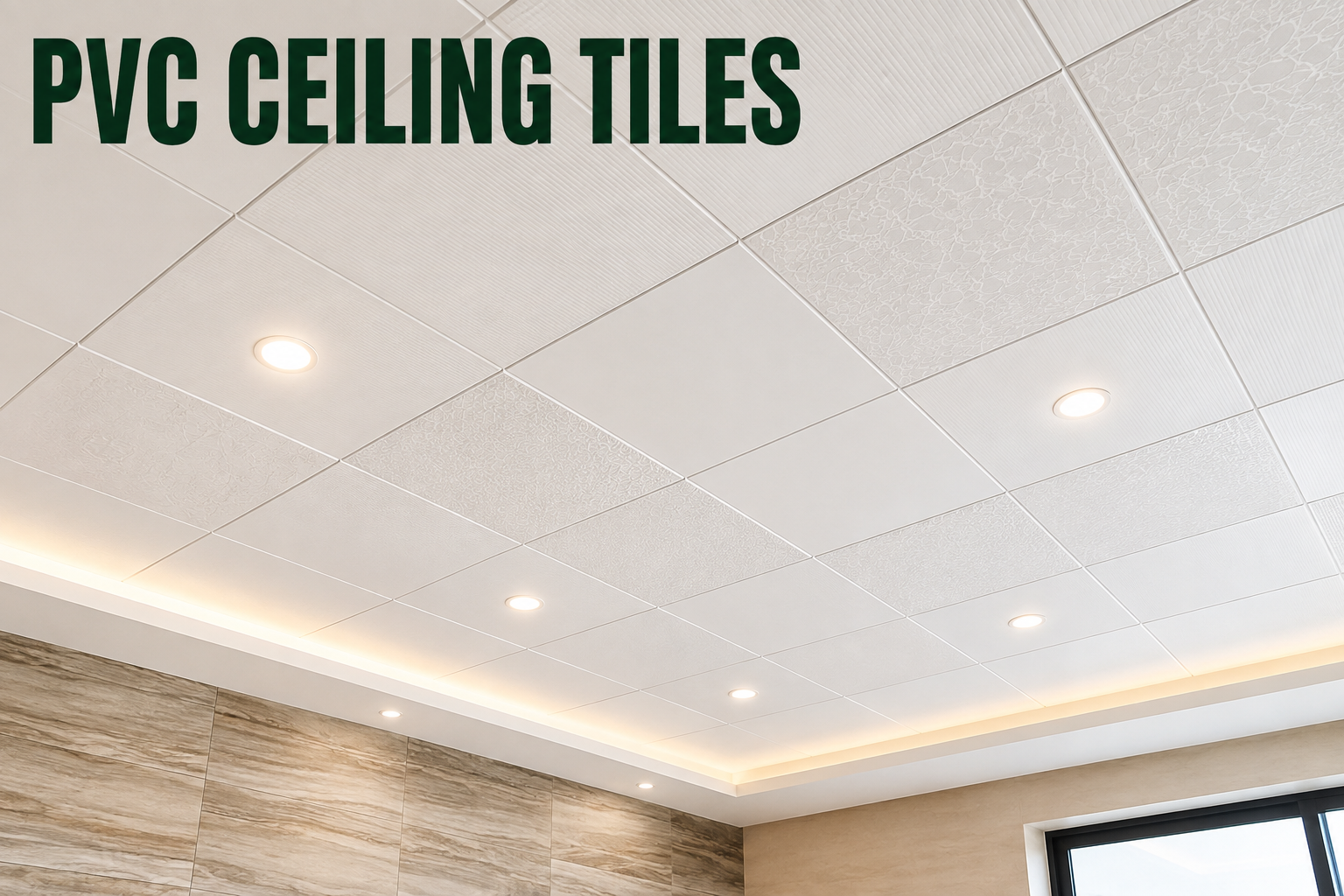
Ceilings often get overlooked when people plan a home or office renovation, yet they play a huge role in how a space looks and feels. Over the last decade, PVC ceiling tiles have become one of the most popular choices among homeowners, interior designers, and commercial builders. These tiles are made from a versatile plastic material that combines practicality with style, making them suitable for almost any type of building.
Unlike traditional ceiling materials such as wood or plaster, PVC ceiling tiles offer a unique mix of affordability, durability, and ease of installation. This growing popularity isn’t a coincidence — it stems from real advantages that make these tiles a smart investment for both new construction and renovation projects. In this guide, we’ll explore everything you need to know about PVC ceiling tiles, from their composition to installation and long-term care.
What is PVC (Polyvinyl Chloride)?
PVC, short for polyvinyl chloride, is one of the most widely produced synthetic plastics in the world. It is created through a chemical process called polymerization, where vinyl chloride molecules are linked together to form long, durable chains. The result is a material that is strong, lightweight, and naturally resistant to moisture and chemical damage.
When manufacturers produce PVC ceiling tiles, they typically combine PVC resin with stabilizers, plasticizers, and other additives to improve flexibility, strength, and resistance to UV rays. This mixture is then extruded or molded into flat sheets or interlocking panels. Many tiles go through an additional printing or lamination process, where decorative patterns, wood-like textures, or glossy finishes are applied to the surface. The final product is a ceiling panel that looks appealing while retaining the practical strength of raw PVC.
Types of PVC Ceiling Tiles
PVC ceiling tiles come in several forms, each suited to different design needs and budgets.
Plain or flat panels are the simplest type, offering a smooth, single-color surface. They are commonly chosen for a minimalist or modern look and work well in offices or utility spaces where a clean appearance matters more than decoration.
Printed or designer panels feature patterns, textures, or images printed directly onto the tile surface. These can mimic wood grain, marble, fabric, or intricate geometric designs, giving homeowners the flexibility to match their ceiling with the overall interior theme without the cost of real materials like wood or stone.
Gypsum-PVC combo tiles merge a gypsum core with a PVC laminate finish. This hybrid approach borrows the sound-dampening and fire-resistant qualities of gypsum board while gaining the moisture resistance and low-maintenance surface of PVC.
Tiles are also categorized based on their installation method. Grid or lay-in tiles rest within a metal grid framework, making them easy to remove for maintenance or repairs — a common choice in offices and commercial buildings. Panel or glue-up/nail-up tiles are directly fixed to the ceiling surface or battens, creating a seamless look often preferred in homes.
Standard sizing also varies. Below is a quick reference table of common dimensions used in the industry:
| Tile Type | Common Sizes | Typical Use |
|---|---|---|
| Grid/Lay-in panels | 2ft x 2ft, 2ft x 4ft | Offices, commercial ceilings |
| Glue-up panels | 1ft x 1ft, 2ft x 2ft | Residential false ceilings |
| Plank-style panels | 8ft x 10in (approx.) | Bathrooms, kitchens, balconies |
Key Features & Characteristics
What makes PVC ceiling tiles stand out is the combination of practical features packed into a lightweight product. First and foremost, they are highly water-resistant, which means they won’t warp, swell, or develop mold when exposed to humidity — a major advantage in bathrooms, kitchens, and coastal regions with high moisture levels.
Their lightweight nature also makes them easier to handle during installation compared to heavier materials like wood or metal, reducing labor time and structural load on the building. Because PVC is a synthetic material, it naturally resists termites, insects, and rodents, which is a significant benefit in regions where wood-boring pests are a common problem.
Many PVC ceiling tiles also carry fire-resistant ratings, especially those manufactured with flame-retardant additives, making them a safer option for both residential and commercial spaces. Additionally, some variants are designed with sound-insulating properties, helping to reduce noise transfer between floors or rooms, which is particularly useful in apartments, studios, and office cabins.
Advantages of PVC Ceiling Tiles
The popularity of PVC ceiling tiles largely comes down to the practical benefits they offer over traditional materials. Cost-effectiveness is often the first reason people choose them — PVC tiles are generally cheaper than wood, metal, or high-end gypsum options, both in material cost and installation labor.
Installation is quick and doesn’t require specialized tools in most cases, which reduces overall project time. Maintenance is equally simple; a damp cloth is usually enough to keep the surface clean, since PVC doesn’t absorb stains or dust the way porous materials do.
In terms of durability, quality PVC tiles can last for many years without cracking, peeling, or discoloring, even in humid or high-traffic environments. Aesthetically, the variety available today means there’s a design to suit almost any interior style, from rustic wood-look finishes to sleek glossy panels. Many manufacturers also now offer recyclable or lead-free PVC formulations, addressing some of the environmental concerns associated with plastic products.
Disadvantages & Limitations
While PVC ceiling tiles offer many strengths, it’s worth understanding their limitations before making a decision. PVC can be sensitive to extreme heat; in very high-temperature environments, some lower-quality panels may warp or become brittle over time.
From an environmental standpoint, the production of PVC involves chemical processes that raise sustainability concerns, and not all tiles are easily recyclable at the end of their life. Additionally, while designer PVC panels can look impressive, they generally don’t match the premium, natural aesthetic of materials like real wood or high-end gypsum finishes, which may matter for luxury interior projects. Lastly, PVC ceiling tiles are best avoided in areas with direct, prolonged exposure to intense heat sources, such as near industrial ovens or unshielded skylights in very hot climates.
PVC vs. Other Ceiling Materials
Choosing the right ceiling material often comes down to comparing PVC against alternatives like gypsum, POP, wood, and metal.
Compared to gypsum board, PVC ceiling tiles hold a clear advantage in moisture resistance, since gypsum can absorb water and deteriorate in humid conditions. However, gypsum often provides a smoother, more premium finish and better fire resistance in certain formulations.
Against POP (Plaster of Paris), PVC tiles win on installation speed and maintenance, as POP ceilings require skilled labor, longer curing times, and are prone to cracking. POP does offer more intricate, customizable designs for those wanting elaborate ceiling artwork.
When compared to wood panels, PVC is far more resistant to moisture, pests, and warping, and costs significantly less. Real wood, however, offers a natural warmth and texture that synthetic materials can only imitate.
Versus metal ceiling tiles, PVC is lighter and quieter (metal can amplify sound and temperature changes), though metal tends to be more fire-resistant and long-lasting in industrial settings.
| Feature | PVC Tiles | Gypsum | POP | Wood | Metal |
|---|---|---|---|---|---|
| Water Resistance | Excellent | Poor | Poor | Poor | Good |
| Cost | Low | Medium | Medium-High | High | Medium-High |
| Installation Ease | Easy | Moderate | Difficult | Moderate | Moderate |
| Maintenance | Low | Medium | Medium | High | Low |
| Fire Resistance | Moderate | Good | Good | Poor | Excellent |
| Aesthetic Premium Feel | Moderate | High | High | Very High | Moderate |
Best Applications & Where to Use PVC Ceiling Tiles
PVC ceiling tiles are especially well-suited for spaces where moisture and humidity are a concern. Bathrooms and kitchens benefit greatly from their water resistance, preventing the mold and mildew issues common with other ceiling materials in these rooms. Offices and commercial spaces often use grid-mounted PVC tiles because of the low cost and ease of accessing wiring or plumbing above the ceiling.
Hospitals and clean rooms also favor PVC due to its smooth, non-porous surface, which resists bacteria buildup and is easy to sanitize. In residential settings, PVC false ceilings have become popular in living rooms and bedrooms for their decorative versatility and budget-friendly appeal. Basements and garages, which often deal with dampness, are another practical application where PVC’s moisture resistance proves valuable.
Installation Process
Installing PVC ceiling tiles is a relatively straightforward process, whether done by a professional or as a do-it-yourself project.
Tools and materials typically needed include a measuring tape, PVC panels, a metal or wooden frame (battens or grid channels), screws or adhesive, a level, and a cutting tool such as a utility knife or fine-tooth saw.
The general step-by-step process looks like this:
- Measure the ceiling area carefully to calculate how many tiles and framing materials are needed.
- Install the support framework — either a metal grid system for lay-in tiles or wooden/metal battens for panel-style tiles.
- Ensure the frame is level using a spirit level to avoid an uneven finished ceiling.
- Cut PVC panels to size where needed, especially around edges, lights, or vents.
- Fix the panels into the frame, either by sliding them into the grid or securing them with screws/adhesive onto the battens.
- Add finishing trims or borders along the edges for a clean, polished look.
- Install or reconnect any ceiling fixtures, such as lights or fans, once the panels are secured.
While many homeowners choose to install PVC tiles themselves due to the material’s light weight and simplicity, hiring a professional ensures precise measurements, a level finish, and proper handling of electrical fixtures, which can be worth the additional cost for larger or more complex ceilings.
Cost & Pricing Factors
The cost of PVC ceiling tiles varies widely depending on design, thickness, and brand quality. Basic plain panels are the most budget-friendly option, while printed or textured designer panels cost more due to the additional manufacturing steps involved.
Several factors influence the final price: panel thickness (thicker panels tend to be more durable and slightly costlier), the complexity of the printed design, brand reputation, and the region or supplier you purchase from. Installation costs add to the overall budget as well, though these are typically lower than what’s required for materials like wood or POP, since PVC installation takes less time and specialized skill.
For an accurate budget, it’s best to get quotes from local suppliers, as pricing can differ significantly based on location, import costs, and material quality.
Maintenance & Cleaning Tips
One of the biggest draws of PVC ceiling tiles is how little maintenance they require. Routine cleaning is as simple as wiping the surface with a soft, damp cloth to remove dust or light grime. For tougher stains, a mild soap solution usually does the trick without damaging the finish.
It’s best to avoid abrasive scrubbing pads or harsh chemical cleaners, as these can scratch the surface or dull any printed design. If a panel becomes cracked or damaged, most grid-mounted systems allow for easy removal and replacement of just that section, without needing to redo the entire ceiling.
With proper care, PVC ceiling tiles can last well over a decade, and in many cases much longer, without significant fading, warping, or structural issues, making them a genuinely low-maintenance long-term ceiling solution.
How to Choose the Right PVC Ceiling Tiles?
Selecting the right PVC ceiling tiles depends on a few key considerations. Think about the room type first — bathrooms and kitchens call for tiles with strong water resistance, while living rooms or offices might prioritize aesthetic design over moisture protection.
Budget plays a role too, since designer and thicker panels cost more than basic flat tiles. When evaluating quality, look for panels with consistent thickness, no visible warping, and a smooth, evenly printed surface if opting for designer patterns. It’s also worth checking whether the tiles are certified fire-retardant, especially for commercial installations.
Finally, buying from a reputable brand or supplier matters. Established manufacturers are more likely to use quality raw materials and proper UV-stabilizing additives, which directly affects how well the tiles hold up over time.
Environmental Impact & Sustainability
As with most plastic-based products, PVC ceiling tiles come with environmental considerations worth understanding. Traditional PVC production involves chlorine-based chemical processes, and disposal of PVC products can be challenging since they aren’t always biodegradable or easily recycled through standard municipal programs.
That said, the industry has made progress in recent years. Many manufacturers now produce lead-free and phthalate-free PVC formulations, reducing the release of harmful substances during production and use. Some companies have also introduced recycling programs specifically for PVC building materials, allowing old panels to be repurposed rather than sent to landfills.
For environmentally conscious buyers, it’s worth asking suppliers about the specific composition of their tiles and whether recycling or take-back options are available at the end of the product’s life.
Frequently Asked Questions (FAQs)
Are PVC ceiling tiles waterproof? Yes, PVC ceiling tiles are highly water-resistant and, in most cases, essentially waterproof, making them ideal for humid spaces like bathrooms and kitchens.
How long do PVC ceiling tiles last? With proper installation and basic care, PVC ceiling tiles typically last 10 to 20 years or more, depending on the quality of the material and environmental conditions.
Can PVC ceiling tiles be painted? Yes, many PVC tiles can be painted using paints specifically formulated for plastic surfaces, though this may reduce some of the tile’s original UV or stain resistance.
Are PVC ceiling tiles safe for health? Reputable PVC tiles, particularly those labeled lead-free and phthalate-free, are considered safe for residential and commercial use when manufactured according to current safety standards.
Can PVC ceiling tiles be installed over an existing ceiling? In many cases, yes — PVC panels can often be mounted onto battens fixed over an existing ceiling, avoiding the need for demolition, though this depends on the condition and height clearance of the original ceiling.
Conclusion
PVC ceiling tiles have earned their popularity by offering a rare combination of affordability, durability, and design flexibility. From moisture-prone bathrooms to stylish living rooms and busy commercial offices, these tiles adapt to a wide range of settings while keeping installation and maintenance simple.
While they may not fully replace the premium feel of natural materials like wood or high-end gypsum, their practical benefits make them a smart, budget-friendly choice for most modern spaces. Whether you’re renovating a single room or planning a full building project, PVC ceiling tiles are well worth considering as a reliable, low-maintenance ceiling solution.
Related Articles
How to Choose the Right Kitchen Table for Your Family?
Why Does My Bathroom Sink Smell Like Rotten Eggs? (Causes & Easy Fixes)
How To Remove Texture From Walls: The Complete Step-by-Step Guide
How to Get Wrinkles Out of New Curtains (No Ironing Required)