



Introduction
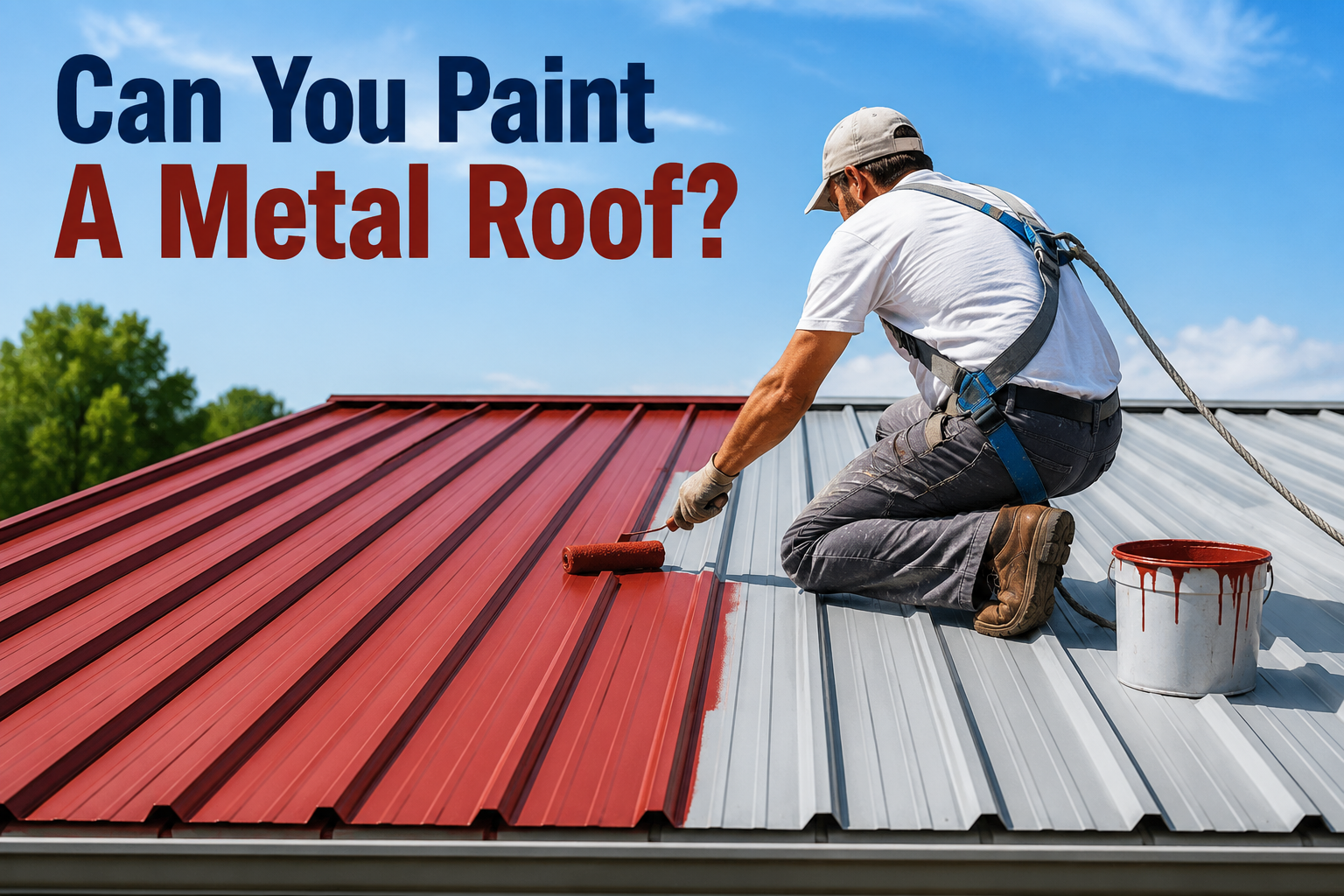
Metal roofing has become one of the most popular roofing choices for homeowners because of its durability, long lifespan, and low maintenance needs compared to asphalt shingles or tile. Over time, however, even the toughest metal roof can start to show its age. Fading color, dull finishes, small rust spots, or a general worn-out look are common concerns that homeowners run into after several years of sun, rain, and temperature swings. This naturally leads to one of the most frequently asked questions in the roofing world: can you paint a metal roof?
The short answer is yes, you absolutely can paint a metal roof, and doing so can restore its appearance while adding an extra layer of protection. However, the process is not as simple as grabbing a paint can and a brush. It requires proper preparation, the right materials, and an understanding of how different metal roofing types react to paint. This article walks through everything you need to know, from the basics of metal roofing to a full step-by-step painting guide, so you can decide whether painting is the right move for your home.
Understanding Metal Roofs
Before addressing whether you can paint a metal roof, it helps to understand the different types of metal roofing materials, since each one behaves a little differently when paint is involved.
| Metal Roof Type | Common Use | Paint Compatibility |
|---|---|---|
| Galvanized Steel | Residential and commercial roofs | Needs proper cleaning and priming due to zinc coating |
| Galvalume | Newer steel roofs with aluminum-zinc coating | Generally paints well with acrylic-based paint |
| Aluminum | Coastal homes, lightweight structures | Paints well but needs a bonding primer |
| Copper | High-end or historic homes | Rarely painted; usually left to patina naturally |
| Tin | Older homes and barns | Can be painted but often has existing rust to address |
Each of these materials ages differently. Galvanized steel, for instance, develops a whitish, chalky coating over time called zinc oxidation, which must be removed before painting. Aluminum roofs resist rust but can still fade and lose their protective coating. Copper is a special case since most homeowners choose not to paint it, letting it develop its natural greenish patina instead.
Common signs that a metal roof may need repainting include noticeable fading, a chalky residue that rubs off on your hand when touched, small rust spots forming near screws or seams, and peeling or flaking of any existing paint or coating. Recognizing these signs early can help you decide the right time to repaint before minor issues turn into costly repairs.
Can You Paint A Metal Roof? The Short Answer Explained
Yes, you can paint a metal roof, and in most cases it is a smart, cost-effective way to refresh its look and add protection. That said, painting is not a one-size-fits-all solution, and certain conditions need to be met for the results to last.
Painting works best when the roof is structurally sound, meaning there are no major leaks, holes, or areas of severe corrosion eating through the metal. It also works well when the existing surface can be properly cleaned and prepped, since paint only performs as well as the surface it’s applied to. Many homeowners choose to paint their metal roof instead of replacing it entirely because it is significantly less expensive and can be completed in a matter of days rather than weeks.
On the other hand, painting is not always recommended. If the roof has widespread rust that has eaten through sections of metal, if there are structural sagging issues, or if the roof is already near the end of its expected lifespan, painting may only serve as a short-term cosmetic fix rather than a long-term solution. In these cases, a professional roof inspection is worth the investment before spending money and time on a paint job.
Benefits of Painting A Metal Roof
Choosing to paint a metal roof offers several practical advantages beyond simply making the house look newer.
A freshly painted metal roof instantly improves a home’s curb appeal, which can matter a great deal if you are planning to sell the property or simply want your home to stand out in the neighborhood. Beyond appearance, paint acts as a protective barrier against moisture, oxidation, and general wear, helping to slow down rust formation and corrosion.
Many modern roof paints and coatings are also designed with reflective properties, meaning they bounce back sunlight instead of absorbing it. This can lead to a cooler attic space during hot months and potentially lower energy bills, especially in warmer climates. Additionally, a well-executed paint job can extend the usable lifespan of a metal roof by several years, delaying the need for a costly full replacement.
Here is a quick summary of the main benefits:
- Improved curb appeal and property value
- Added protective layer against rust and corrosion
- Reflective coatings that reduce heat absorption
- Extended roof lifespan
- Lower cost compared to full roof replacement
Things to Consider Before Painting
Before picking up a paintbrush or hiring a contractor, there are a few important factors to think through. The age and current condition of the roof play a major role in determining whether painting is worthwhile. A roof that is only showing cosmetic wear is a great candidate, while one with structural damage may need repairs first or replacement instead.
It’s also important to check whether the roof already has an existing factory coating or previous paint layer, since this affects how new paint will adhere. Local climate matters too; homes in areas with heavy rainfall, snow, or extreme heat may need specialized coatings designed to handle those specific conditions.
Budget is another consideration, since homeowners must decide between a do-it-yourself approach and hiring roofing professionals. While DIY painting can save money upfront, professional work often comes with better long-term results and warranties. Speaking of warranties, it is worth checking with the roof manufacturer beforehand, since improper painting could potentially void certain warranty protections.
Choosing The Right Paint For A Metal Roof
Selecting the correct paint is one of the most important steps in this entire process, since using the wrong product can lead to peeling, cracking, or poor durability within just a year or two.
100% acrylic latex paint is one of the most commonly recommended options because it flexes with the metal as it expands and contracts with temperature changes, reducing the risk of cracking. Elastomeric roof coatings are another popular choice, known for their thick, rubber-like consistency that provides excellent waterproofing and UV resistance.
When comparing oil-based versus water-based paints, water-based acrylic options are generally preferred for metal roofing because they allow moisture to escape rather than trapping it underneath, which helps prevent rust from forming beneath the paint layer. For homeowners in hot climates, reflective or “cool roof” coatings are worth considering since they are specifically formulated to reduce heat absorption.
The right paint choice can also depend on roof material:
| Roof Material | Recommended Paint Type |
|---|---|
| Steel | Acrylic latex with rust-inhibitive primer |
| Aluminum | Acrylic paint with bonding primer |
| Galvalume | Acrylic-based coatings |
| Tin | Oil-based rust-preventive paint |
Tools And Materials Needed
Having the right tools ready before starting makes the entire painting process smoother and helps achieve professional-looking results. Below is a general list of what is typically needed for a metal roof painting project.
- Pressure washer for deep cleaning the roof surface
- Wire brush or sandpaper for removing loose rust and old paint
- Rust converter or rust remover solution
- Rust-inhibitive primer suited to the metal type
- Paint sprayer or heavy-duty roller for even application
- Drop cloths or tarps to protect surrounding areas
- Safety harness, non-slip shoes, and gloves for personal protection
Having these materials on hand before starting prevents unnecessary delays and ensures each step of the process can be completed properly without pausing halfway through.
Step-By-Step Guide: How To Paint A Metal Roof
Once you have decided that painting is the right choice for your home, following a clear, methodical process makes a significant difference in the final outcome.
Step 1: Inspect The Roof For Damage Walk the roof or use binoculars from the ground to check for loose panels, holes, or areas of significant rust. Addressing structural issues first is essential before any paint is applied.
Step 2: Clean The Surface Thoroughly Use a pressure washer to remove dirt, algae, chalking residue, and loose debris. A clean surface allows the primer and paint to bond properly.
Step 3: Remove Rust And Repair Damaged Areas Use a wire brush or sandpaper to scrape away rust spots, then apply a rust converter or remover to neutralize any remaining corrosion. Patch any small holes if needed.
Step 4: Apply Primer Apply a rust-inhibitive primer suited to your specific metal type. This step creates a strong base layer that helps the paint adhere evenly and last longer.
Step 5: Choose Ideal Weather Conditions Select a dry day with mild temperatures, avoiding direct harsh sunlight or any chance of rain within the next 24 to 48 hours to allow proper drying.
Step 6: Apply The First Coat Of Paint Using a sprayer or roller, apply an even, thin first coat across the entire roof surface, working in manageable sections.
Step 7: Apply A Second Coat For Durability After the first coat dries fully, apply a second coat to ensure even coverage, improved durability, and a more polished finish.
Step 8: Allow Proper Drying And Curing Time Give the paint adequate time to cure fully before exposing it to heavy rain or foot traffic, generally following the manufacturer’s recommended curing period.
Step 9: Inspect The Final Results Once dry, walk the roof again to check for any missed spots, uneven coverage, or areas that may need a touch-up.
Safety Tips While Painting A Roof
Working on a roof always comes with inherent risks, so safety should never be an afterthought. Homeowners attempting a DIY paint job should always use a proper harness system when working at height, along with non-slip footwear designed for roofing work.
Weather conditions should be monitored carefully, since wet or windy conditions dramatically increase the risk of slipping. It is also wise to have another person present during the project in case of an emergency. If the roof pitch is steep, if there is significant height involved, or if you simply feel unsure about handling the work safely, hiring a professional roofing contractor is the safer and often more practical choice.
Cost Of Painting A Metal Roof
The cost of painting a metal roof varies significantly based on roof size, condition, chosen paint type, and whether the work is done as a DIY project or by hired professionals.
| Cost Factor | DIY Estimate | Professional Estimate |
|---|---|---|
| Materials (paint, primer, rust treatment) | Moderate | Included in service price |
| Labor | Your own time | Additional labor cost |
| Tools and equipment | One-time purchase or rental | Included in service |
| Overall project cost | Generally lower | Generally higher but includes expertise and warranty |
While exact numbers vary widely by region and roof size, painting a metal roof is almost always significantly less expensive than a full roof replacement, making it an attractive option for homeowners looking to extend the life of their existing roof without a major financial commitment.
How Long Does A Painted Metal Roof Last?
A properly painted metal roof, using quality materials and correct application techniques, can last anywhere from ten to twenty years before needing another coat, depending on the paint type used and local climate conditions. Regular maintenance, such as periodic cleaning and prompt attention to any new rust spots, can help extend this lifespan even further.
Signs that it may be time to repaint again include noticeable fading, chalking residue returning, small areas of peeling, or new rust spots forming near seams and fasteners. Staying proactive with minor touch-ups can prevent the need for a full repaint sooner than expected.
Common Mistakes To Avoid
Many DIY painting projects fail not because of the paint itself, but due to avoidable mistakes during preparation or application. Skipping proper surface cleaning is one of the most common errors, since paint applied over dirt, chalking residue, or loose rust will not adhere properly and will likely peel within a short period.
Using the wrong type of paint, such as a standard exterior wall paint instead of a proper metal roof coating, is another frequent issue that leads to premature failure. Painting during unsuitable weather, such as high humidity or direct intense sun, can also affect how well the paint cures.
Applying paint too thickly in an attempt to cover imperfections often backfires, leading to cracking as the metal expands and contracts with temperature changes. Lastly, ignoring existing rust spots instead of properly treating them before painting is a mistake that can cause corrosion to continue spreading beneath the new paint layer.
DIY Vs. Hiring A Professional
Deciding between a DIY approach and hiring a professional roofing contractor depends on several personal factors, including budget, experience, and comfort with working at heights.
DIY painting can save a considerable amount of money and gives homeowners full control over the timeline and process. However, it requires physical effort, proper safety equipment, and a willingness to learn the correct techniques.
Hiring a professional, while more expensive, often results in a more even, long-lasting finish, and many professional roofing companies offer warranties on their work, providing peace of mind.
Before hiring a contractor, it is worth asking a few important questions, such as what type of paint or coating they plan to use, whether they offer any warranty on the work, how they handle existing rust or damage, and what their timeline looks like for completing the project.
Frequently Asked Questions
Can you paint a rusty metal roof? Yes, but the rust must be properly treated first using a wire brush, sandpaper, and a rust converter or remover before priming and painting.
How often should you repaint a metal roof? Most painted metal roofs need repainting every ten to twenty years, depending on the paint quality, climate, and level of maintenance.
Does painting a metal roof void the warranty? It can, in some cases, particularly if the manufacturer’s specific guidelines around coatings are not followed. Checking with the manufacturer beforehand is recommended.
Can you paint over an existing metal roof coating? In many cases yes, as long as the existing coating is clean, intact, and compatible with the new paint being applied.
What is the best color for a metal roof? This largely depends on personal preference and climate, though lighter colors are often chosen in hotter regions for their reflective, heat-reducing properties.
Conclusion
So, can you paint a metal roof? Yes, and for many homeowners, it is a practical, budget-friendly way to refresh their home’s appearance while adding an extra layer of protection against rust and weather damage. The key to success lies in proper preparation, choosing the right paint for your specific roof material, and following a careful, methodical application process.
Whether you decide to tackle the project yourself or hire a professional roofing contractor, taking the time to do it correctly will pay off with a roof that not only looks better but also lasts longer. If you are still unsure whether your roof is a good candidate for painting, consulting with a local roofing professional for an inspection is always a smart first step before starting any work.
Related Articles
How To Raise Water Level In Toilet Bowl? Complete DIY Fix Guide
Are Toilet Seats Universal? Complete Sizing, Fitting & Buying Guide
Why Is My Toilet Bubbling? Causes, Fixes & When to Call a Plumber
How Much Do Kitchen Cabinets Cost in 2026? Complete Pricing Guide
Is Ceiling Ghosting Dangerous? What Those Dark Streaks Actually Mean