


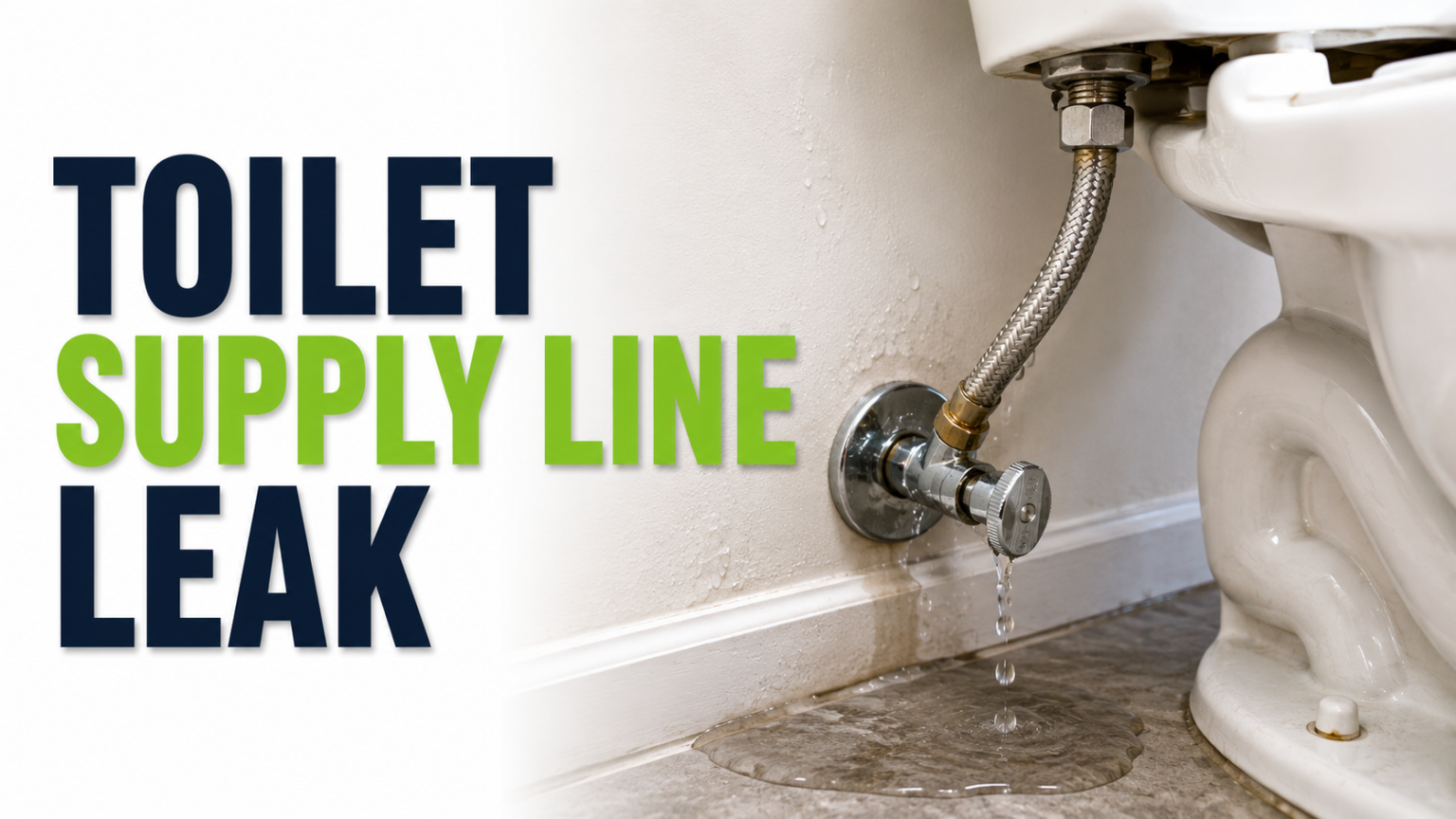
A small puddle near the base of your toilet might not seem like a big deal at first, but it’s often the first warning sign of a toilet supply line leak. This thin tube connects your bathroom’s water shutoff valve to the toilet tank, and when it fails, it can quietly waste water, damage flooring, and even lead to mold growth if left unchecked. The good news is that most supply line leaks are easy to diagnose and even easier to fix, often without calling a plumber.
In this guide, we’ll walk through everything you need to know about a toilet supply line leak — what causes it, how to spot it early, the tools you’ll need, and a complete step-by-step repair process. We’ll also cover when it’s time to bring in a professional and how to prevent the problem from coming back.
What Is a Toilet Supply Line?
The toilet supply line is the flexible tube that carries water from the wall shutoff valve to the fill valve inside your toilet tank. Without it, your toilet wouldn’t refill after every flush. It’s a small part, but it plays a big role in your bathroom’s plumbing system.
Supply lines typically come in three main types:
| Type | Material | Lifespan | Leak Risk |
|---|---|---|---|
| Plastic | Rigid or semi-rigid plastic | 3–5 years | High (cracks with age) |
| Rubber | Flexible rubber hose | 5–8 years | Moderate (wears out over time) |
| Braided Stainless Steel | Steel mesh over rubber core | 10+ years | Low (most durable option) |
Each end of the line is secured with a compression nut — one at the shutoff valve and one at the fill valve underneath the tank. These connection points are where most leaks tend to start.
Common Signs of a Supply Line Leak
Catching a toilet supply line leak early can save you from bigger headaches down the road. Here are the most common warning signs to watch for:
- Water pooling or dripping near the base of the toilet, especially close to the wall
- A musty or damp smell in the bathroom that doesn’t go away
- Rust-colored or white mineral stains forming around the connection points
- A faint hissing or dripping sound coming from behind the toilet
- A water bill that’s noticeably higher than usual without an obvious explanation
If you notice any of these signs, it’s worth investigating right away, since even a slow leak can waste hundreds of gallons of water over time.
Common Causes of Toilet Supply Line Leaks
Understanding why a toilet supply line leak happens makes it much easier to fix and prevent. Below are the most frequent culprits.
Loose Connection Nuts
Over time, the compression nuts at either end of the line can loosen due to vibration, temperature changes, or simply age. A loose nut is often the simplest cause to fix and usually just needs a gentle tightening.
Worn-Out Rubber Washer or Gasket
Inside each connection is a small rubber washer that creates a watertight seal. These washers naturally degrade over the years, becoming brittle or compressed, which allows water to seep through even when the nut is tight.
Cracked or Brittle Plastic Line
Plastic supply lines are the most common type found in older homes, but they’re also the most prone to failure. With age and exposure to temperature fluctuations, plastic becomes brittle and can crack, leading to a steady drip or a sudden burst.
Corroded or Faulty Shutoff Valve
Sometimes the leak isn’t the line itself but the shutoff valve it connects to. Corrosion, mineral buildup, or internal wear inside the valve can cause water to escape around the stem or the valve body.
Improper Installation
A supply line that wasn’t installed correctly — cross-threaded, over-tightened, or misaligned — can leak from day one, even if all the parts are brand new.
High Water Pressure
Homes with unusually high water pressure put extra strain on supply lines and connections. Over time, this added pressure can accelerate wear and increase the likelihood of a leak.
Tools You’ll Need to Fix It
Before starting your repair, gather the following tools and materials. Having everything ready ahead of time makes the process faster and less messy.
- Adjustable wrench or slip-joint pliers
- A bucket and a few old towels
- Replacement rubber washer or gasket (if needed)
- A new supply line (braided stainless steel is recommended)
- Plumber’s tape (Thread seal tape)
Step-by-Step Guide to Fixing a Toilet Supply Line Leak
Once you’ve identified that the leak is coming from the supply line, follow these steps to resolve it.
Step 1: Turn Off the Water Supply
Locate the shutoff valve behind or beside your toilet and turn it clockwise until it stops. This cuts off water flow and prevents any additional leaking while you work.
Step 2: Drain the Remaining Water
Flush the toilet to empty the tank, then use a towel to soak up any leftover water in the tank and around the connection points.
Step 3: Inspect the Connection Points
Check both ends of the supply line — where it meets the shutoff valve and where it connects to the fill valve under the tank. Look closely for cracks, corrosion, or visible gaps.
Step 4: Tighten Loose Nuts
If the nuts feel loose, tighten them by hand first, then use a wrench for a final quarter turn. Avoid over-tightening, as this can crack fittings or damage washers.
Step 5: Replace the Washer or Gasket
If tightening doesn’t solve the problem, remove the nut, take out the old washer, and replace it with a new one that matches the size and shape of the original.
Step 6: Replace the Entire Supply Line if Needed
If the line itself is cracked, brittle, or visibly damaged, it’s best to replace the whole thing rather than patch it. Disconnect both ends, install the new line, and hand-tighten the nuts before giving them a final snug turn with a wrench.
Step 7: Turn the Water Back On and Test
Slowly turn the shutoff valve counterclockwise to restore water flow. Watch both connection points closely for a few minutes to confirm there’s no more dripping, then flush the toilet once more to check under real usage conditions.
When to Replace the Shutoff Valve
Sometimes tightening or replacing the supply line isn’t enough because the real issue lies with the shutoff valve itself. Signs that point to a valve replacement include:
- Water leaking from around the valve stem when it’s turned
- Visible corrosion or mineral crust on the valve body
- A valve that won’t fully shut off water flow
Replacing a shutoff valve is a bit more involved, since it typically requires shutting off the main water supply to the house and may involve basic soldering or compression fitting work. If you’re not comfortable with this step, it’s a good time to call in a professional.
Preventing Future Toilet Supply Line Leaks
Once your leak is fixed, a few simple habits can help you avoid dealing with the same issue again.
- Inspect supply lines every few months for early signs of wear or moisture
- Upgrade to braided stainless steel lines, which last significantly longer than plastic or rubber
- Avoid over-tightening connections, which can damage washers and fittings
- Keep an eye on your home’s water pressure, and install a pressure regulator if it runs too high
When to Call a Plumber
While most supply line leaks are simple DIY fixes, some situations call for professional help. Consider contacting a plumber if:
- The leak continues even after tightening or replacing the line
- You notice corrosion or damage extending into the wall or floor
- The shutoff valve needs replacing and you’re unfamiliar with plumbing work
- You suspect the leak is connected to a larger plumbing issue, such as a hidden pipe problem
Frequently Asked Questions
How much does it cost to fix a toilet supply line leak? For a simple DIY fix, replacement parts usually cost under $20. If you hire a plumber, expect to pay more depending on labor rates in your area.
Can I use plumber’s tape on compression fittings? Plumber’s tape is generally used on threaded pipe connections rather than compression fittings, which rely on a washer for their seal. Check your specific fitting type before applying it.
How long do toilet supply lines typically last? Plastic lines often need replacing every few years, while braided stainless steel lines can last a decade or more with proper care.
Is a small toilet supply line leak dangerous? Even a minor leak can lead to water damage, mold growth, or higher water bills over time, so it’s best addressed as soon as it’s noticed.
Conclusion
A toilet supply line leak is one of the most common — and most fixable — plumbing issues you’ll encounter in your bathroom. Whether the cause is a loose nut, a worn washer, or an aging plastic line, most repairs can be handled in under an hour with basic tools. By inspecting your supply lines regularly and choosing durable materials like braided stainless steel, you can prevent future leaks and keep your bathroom dry, safe, and worry-free. Acting quickly at the first sign of moisture is always the best way to avoid costly water damage down the line.
Related Articles
Why Does My Bathroom Smell Musty? Causes, Fixes & Prevention Tips
How Long Do Toilets Last? A Complete Homeowner’s Guide
French Drain Basement Systems: The Complete Homeowner’s Guide
Can You Paint a Metal Roof? The Complete Answer Homeowners Need