


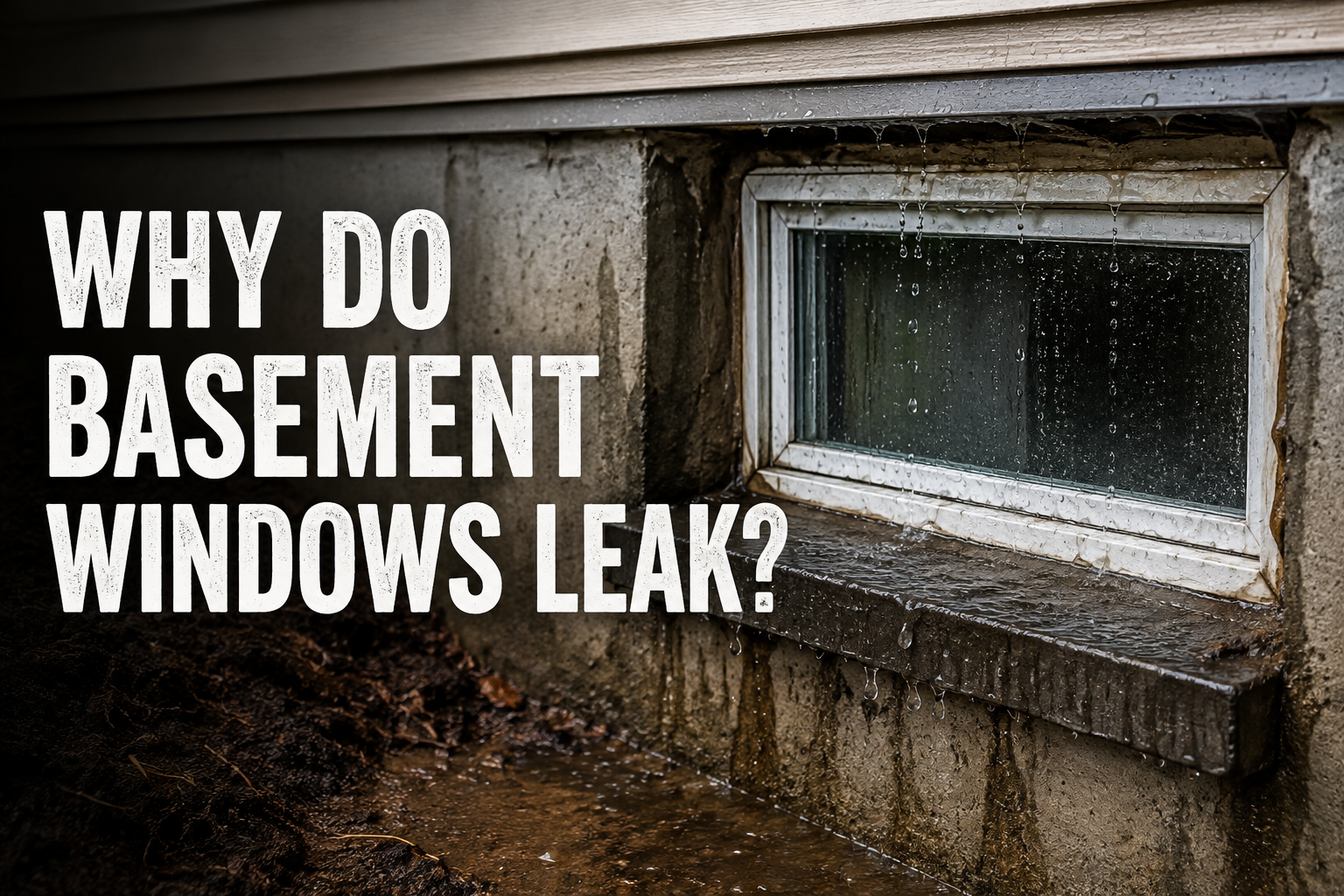
If you’ve ever walked into your basement after a storm and found a puddle near the window, you already know how frustrating this problem can be. So, why do basement windows leak in the first place? The honest answer is that it’s rarely just one thing. Basement windows sit close to (or even below) ground level, which puts them directly in the path of rainwater, melting snow, and shifting soil. Combine that with age, wear, and poor drainage, and it’s no surprise that leaks happen.
This guide walks you through everything you need to know — from spotting the early warning signs to understanding the root causes, trying simple do-it-yourself repairs, and knowing when it’s time to call in a professional. Ignoring a leaking basement window might seem harmless at first, but over time it can lead to mold, structural damage, and costly repairs. Let’s break it all down in plain, easy-to-understand language.
Signs Your Basement Window Is Leaking
Before jumping into causes and fixes, it helps to know what a leak actually looks like. Some signs are obvious, while others creep up slowly.
| Sign | What It Looks Like |
|---|---|
| Water stains | Yellow or brown discoloration on the wall below or around the window |
| Puddles or dampness | Standing water or a damp patch on the basement floor |
| Musty smell | A persistent moldy odor near the window area |
| Mold growth | Black, green, or white spots on the frame, sill, or nearby drywall |
| Peeling paint | Bubbling or flaking paint caused by trapped moisture |
| Rust | Corrosion on metal window frames or hardware |
| Wet window well | Water pooling inside the exterior window well after rain |
If you notice even one of these signs, it’s worth investigating further before the problem grows.
Common Causes of Basement Window Leaks
There isn’t a single reason basement windows leak — it’s usually a mix of design, maintenance, and environmental factors. Below are the most common culprits.
Cracked or Damaged Window Frame
Over time, window frames made of wood, vinyl, or metal can crack, warp, or rot. Even hairline cracks create an entry point for water, especially during heavy rainfall.
Poor Exterior Grading
If the ground around your foundation slopes toward the house instead of away from it, rainwater naturally flows straight toward your basement windows instead of draining safely into the yard.
Clogged or Missing Window Well Drain
Basement windows below ground level usually sit inside a window well, which should have a drain connected to the foundation’s drainage system. When this drain gets clogged with dirt, leaves, or debris — or was never installed properly — water has nowhere to go but inside.
Damaged or Missing Window Well Cover
A window well without a cover is basically an open invitation for rain, snow, and debris to collect. Cracked or poorly fitted covers offer little protection either.
Hydrostatic Pressure and Groundwater Buildup
When soil around the foundation becomes fully saturated, it creates hydrostatic pressure that pushes water through even the smallest cracks in the foundation wall or window frame.
Deteriorated Caulking and Weatherstripping
Caulk and weatherstripping naturally dry out, shrink, and crack after a few years of exposure to temperature changes. Once the seal breaks down, water can seep straight through the gaps.
Poor Gutter and Downspout Drainage
If gutters are clogged or downspouts empty too close to the foundation, rainwater collects right where you don’t want it — near your basement walls and windows.
Foundation Cracks Near the Window
Sometimes the leak isn’t from the window at all, but from a nearby crack in the foundation wall that allows water to travel toward the window opening.
Old or Worn-Out Window Well Liner
Window wells lined with corrugated metal or plastic can deteriorate over time, creating gaps between the liner and the foundation wall where water can pass through.
Why Basement Window Leaks Happen More During Heavy Rain?
You’ve probably noticed that leaks tend to show up right after a big storm. That’s not a coincidence. During prolonged or intense rainfall, the soil around your home becomes saturated much faster than it can drain. This saturation increases hydrostatic pressure against the foundation walls, forcing water through any weak points — including window seals and frames.
Seasonal changes play a role too. In colder climates, spring thaw can be just as damaging as a summer downpour, since melting snow adds a large volume of water into already-soaked ground. Homes with poor drainage systems are especially vulnerable during these high-moisture periods.
Risks of Ignoring a Leaking Basement Window
It might be tempting to mop up the water and move on, but leaving the underlying issue unresolved can lead to bigger problems down the road.
- Mold and mildew growth, which can spread quickly in damp, dark basement environments
- Structural damage to the foundation, framing, or nearby walls
- Damage to flooring, furniture, and stored belongings
- Poor indoor air quality, which can trigger allergies or respiratory issues
- Higher repair costs the longer the leak is left unaddressed
A small leak today can easily turn into an expensive waterproofing project a year or two down the line.
How to Diagnose the Source of the Leak?
Finding exactly where water is entering can save you time and money before starting repairs.
- Inspect the window well for cracked liners, missing drains, or debris buildup.
- Check the exterior grading around your foundation to see if soil slopes toward the house.
- Run a garden hose test — spray water near the window from outside while someone watches for leaks inside.
- Look for cracks in the window frame, caulking, or nearby foundation wall.
- Call a professional if the source isn’t obvious or if the leak keeps recurring despite repairs.
DIY Fixes for Minor Leaks
If the leak is minor and caught early, several simple fixes can be done without professional help.
| DIY Fix | What It Solves |
|---|---|
| Re-caulking the window frame | Seals small cracks and gaps around the frame |
| Cleaning out the window well drain | Restores proper water flow away from the window |
| Installing a window well cover | Blocks rain, snow, and debris from collecting |
| Adding gravel for drainage | Improves drainage at the base of the window well |
| Extending downspouts | Directs roof runoff further away from the foundation |
These fixes are budget-friendly and can be done over a weekend, but they work best on leaks caused by minor wear rather than structural issues.
Long-Term Solutions for Persistent Leaks
When DIY fixes aren’t enough, it may be time to consider more permanent solutions.
- Regrading the soil around the foundation so water flows away from the house naturally
- Installing a window well drain system connected to the home’s overall drainage
- Exterior waterproofing membranes applied directly to the foundation wall
- Interior waterproofing coatings to block moisture from the inside
- Installing a sump pump to actively remove water that collects near the foundation
- French drain installation to redirect groundwater away from the basement
These solutions require more investment but offer much longer-lasting protection, especially for homes in areas with high rainfall or a high water table.
Cost of Repairing Leaking Basement Windows
Repair costs vary widely depending on the severity of the leak and whether you handle it yourself or hire a professional.
| Repair Type | Estimated Cost Range |
|---|---|
| DIY caulking and drain cleaning | $20 – $100 |
| Window well cover installation | $50 – $200 |
| Professional window well drain repair | $300 – $1,000 |
| Exterior waterproofing | $1,500 – $6,000+ |
| Sump pump installation | $1,000 – $3,000 |
| French drain installation | $3,000 – $10,000+ |
Costs depend on your location, the size of the affected area, and the extent of existing damage, so it’s a good idea to get multiple quotes for larger projects.
How to Prevent Future Leaks?
Prevention is always cheaper than repair. A little routine maintenance goes a long way toward keeping your basement dry.
- Inspect window wells and seals at least twice a year, especially before rainy seasons
- Clean gutters and downspouts regularly to avoid overflow near the foundation
- Reapply caulk every few years, or sooner if you notice cracking
- Keep window well covers in good condition and free of debris
- Maintain proper grading so soil consistently slopes away from your home
- Trim landscaping and redirect sprinklers away from foundation walls
Building these checks into your seasonal home maintenance routine can prevent small issues from becoming major repairs.
When to Call a Professional?
Some leaks are simple enough to fix yourself, but others signal a deeper issue that needs expert attention. Consider calling a professional if:
- The leak keeps returning despite repeated DIY fixes
- You notice foundation cracks near the window
- Water is entering in large amounts rather than a slow trickle
- There’s visible mold growth that keeps spreading
- You’re unsure of the actual source of the leak
When choosing a waterproofing contractor, ask about their experience with basement window leaks specifically, request references, and get a written estimate before work begins. It’s also worth asking whether they offer a warranty on their repairs.
Frequently Asked Questions (FAQs)
Can I fix a leaking basement window myself? Yes, for minor leaks caused by cracked caulking or a clogged window well drain, simple DIY fixes are often enough. Larger or recurring leaks usually need professional attention.
How much does it cost to fix a leaking basement window? Costs range from as little as $20 for basic caulking to several thousand dollars for full exterior waterproofing, depending on the severity of the problem.
What is the best window well cover material? Polycarbonate covers are popular because they’re durable, transparent enough to let light in, and resistant to cracking under weather exposure.
Can leaking basement windows cause mold? Yes. Persistent moisture from a leaking window creates the damp conditions mold needs to grow, especially in poorly ventilated basements.
How do I stop water from seeping through the window frame? Start by re-caulking any visible gaps, then check that the window well drain is clear and that exterior grading directs water away from the house.
Conclusion
So, why do basement windows leak? In most cases, it comes down to a combination of aging materials, poor drainage, and the natural pressure that water places on your foundation during wet weather. The good news is that most leaks are preventable with regular maintenance, and even active leaks can often be resolved with the right combination of DIY fixes and long-term waterproofing solutions.
Don’t wait for a small drip to turn into a bigger problem. Inspect your basement windows regularly, address minor issues right away, and don’t hesitate to call in a professional when the situation calls for it. A little proactive care today can save you from a much bigger headache — and a much bigger bill — down the road.
Related Articles
How To Fix Squeaky Hardwood Floors: A Complete Step-by-Step Guide
How to Fix a Leaking Kitchen Sink: Step-by-Step Guide
How to Choose the Right Kitchen Table for Your Family?
How to Remove Sewer Smell from Bathroom: Complete DIY & Expert Guide