


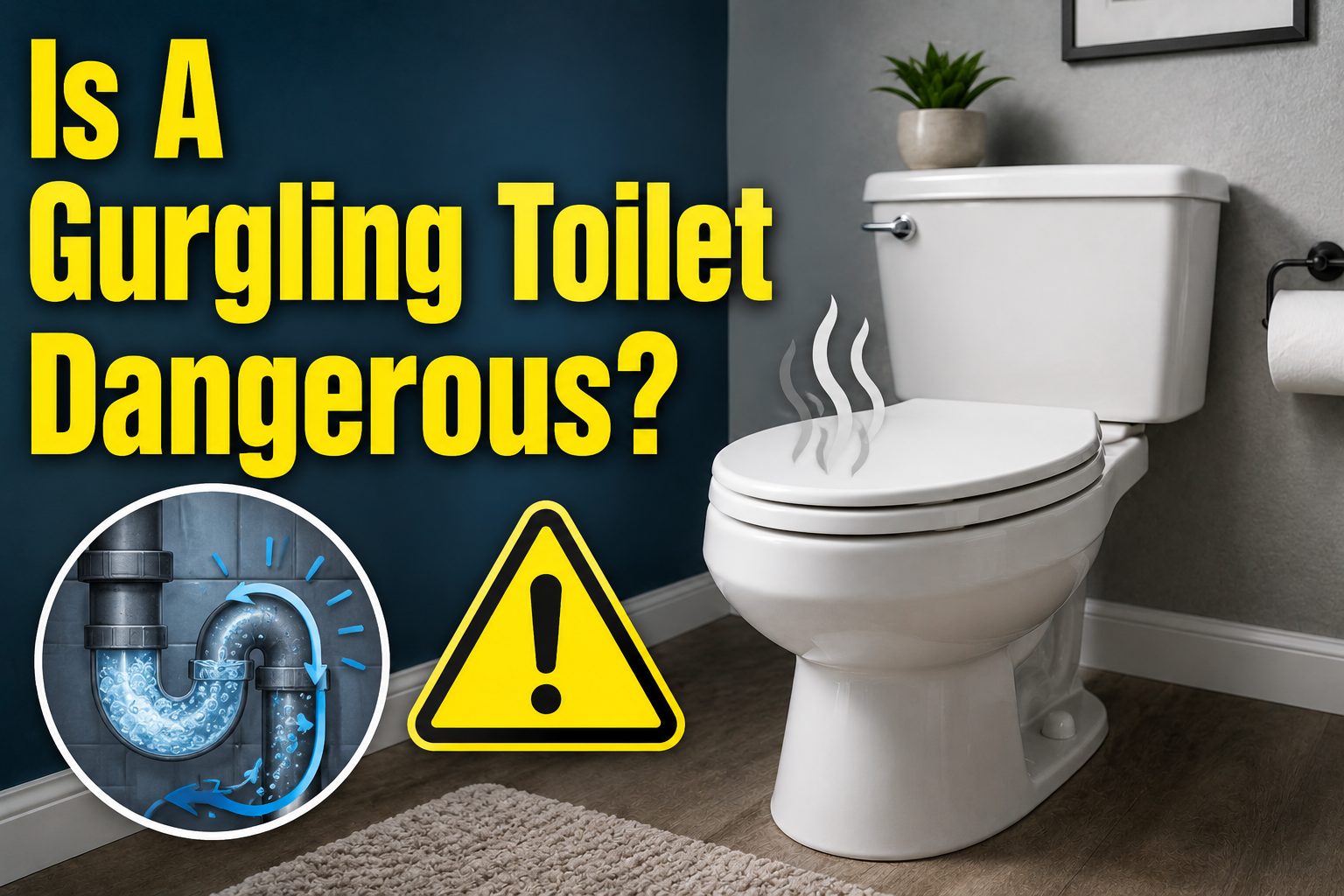
If you have ever flushed your toilet and heard a strange bubbling or gurgling sound coming back at you, you have probably paused for a second and wondered what on earth is going on down there. It is one of those household noises that instantly makes you uneasy, even if you cannot quite explain why. So, is a gurgling toilet dangerous, or is it just a harmless quirk of old plumbing?
The honest answer is that a gurgling toilet is rarely an emergency on its own, but it is almost always a sign that something in your plumbing system needs attention. Think of it as your pipes trying to talk to you. Ignoring that message for too long can turn a small, cheap fix into a much bigger and messier problem. This guide walks you through exactly why toilets gurgle, when the issue becomes genuinely dangerous, and what you can do about it before things get worse.
What Causes a Toilet to Gurgle?
To understand whether a gurgling toilet is dangerous, it helps to first understand why it happens in the first place. Gurgling is basically the sound of trapped air escaping through water, and that air has to come from somewhere. Here are the most common culprits behind that unsettling noise.
Partial clogs in the drain line. When something partially blocks the pipe leading away from your toilet, air gets trapped behind the blockage. As water tries to pass through, it pushes that trapped air back up, creating bubbles and gurgling sounds.
A blocked plumbing vent stack. Every home’s plumbing system relies on vent pipes that run up through the roof to let air in and out. These vents balance air pressure so water can flow smoothly. If the vent gets blocked by leaves, a bird’s nest, ice, or debris, air cannot escape properly, and it ends up forcing its way back through your toilet instead.
A clogged main sewer line. This is one of the more serious causes. If the main line that carries waste away from your entire house is blocked, gurgling can happen not just in the toilet but across multiple fixtures at once.
Septic system issues. For homes with septic tanks, a full or failing tank can cause backpressure in the plumbing system, which often shows up first as gurgling noises.
Sympathetic drainage from other fixtures. Sometimes the toilet gurgles simply because you ran the washing machine, dishwasher, or shower at the same time. The shared drainage system reacts with air movement, causing brief gurgling that is often nothing to worry about.
Tree root intrusion. Over time, tree roots can grow into underground sewer pipes, cracking them or restricting flow. This is more common in older homes with mature trees nearby.
Is a Gurgling Toilet Actually Dangerous?
Now to the main question. Is a gurgling toilet dangerous in a way that puts your health or home at risk? In most cases, an occasional gurgle is a low-risk annoyance rather than an emergency. However, there are specific situations where it can escalate into something genuinely hazardous.
The table below breaks down the risk levels so you can quickly judge where your situation stands.
| Situation | Risk Level | Why It Matters |
|---|---|---|
| Occasional gurgle after flushing | Low | Usually just trapped air, not a structural issue |
| Gurgling with slow drainage | Moderate | Signals a developing clog that will likely worsen |
| Gurgling with foul sewer odor | Moderate to High | May indicate a dry trap or vent issue letting sewer gas escape |
| Gurgling across multiple drains | High | Often points to a main line blockage affecting the whole house |
| Gurgling with visible backup or overflow | High | Immediate contamination and water damage risk |
Sewer gas exposure is the biggest hidden danger. Sewer gas contains a mixture of gases, including methane and hydrogen sulfide. In small amounts, exposure might just cause a bad smell and mild headaches. In enclosed spaces with poor ventilation, prolonged exposure can lead to dizziness, nausea, and in rare extreme cases, more serious health effects. This is one of the main reasons people ask whether a gurgling toilet is dangerous, since gurgling can sometimes be paired with sewer gas leaking through a dry trap or damaged vent.
Sewage backup poses a contamination risk. If a blockage is severe enough, wastewater can back up into your tub, shower, or even onto your bathroom floor. This water carries bacteria and pathogens that are genuinely unsafe to touch or breathe in around, especially for children, elderly family members, or anyone with a weakened immune system.
Ignoring it can cause structural damage. Water that repeatedly backs up or leaks around pipe joints can damage flooring, subfloors, and even weaken structural elements over time. What starts as a minor gurgle can, months later, turn into a costly repair bill.
So while a single gurgle is not something to panic over, a pattern of gurgling paired with any of the warning signs below should be taken seriously.
Warning Signs You Shouldn’t Ignore
Not all gurgling is created equal. Here are the signs that suggest your gurgling toilet has moved from mildly annoying to potentially dangerous.
- Gurgling that happens every single time you flush, not just occasionally
- Slow-draining water in the toilet bowl, sink, or shower
- A persistent rotten-egg or sewage smell in the bathroom
- Bubbling sounds coming from other drains when you flush the toilet
- Water backing up into the bathtub or shower when the toilet is flushed
- Multiple fixtures in the house being affected at the same time
- Gurgling that started suddenly after heavy rain or a storm
If you are noticing two or more of these signs together, it is a strong signal that the issue goes beyond a simple, isolated clog.
How to Diagnose the Problem at Home
Before calling in a professional, a bit of simple detective work can help you understand how serious the situation really is.
Start by testing other drains in the house. Run the sink, flush other toilets, and turn on the shower one at a time. If gurgling only happens in one toilet, the issue is likely isolated to that fixture’s trap or nearby pipe. If multiple fixtures gurgle together, the problem is probably further down the line, closer to the main sewer connection.
Next, take note of timing. Does the gurgling happen only during heavy water use, like laundry day, or does it happen randomly throughout the day? Problems tied to heavy simultaneous water use often point to venting issues, while random, persistent gurgling can suggest a growing blockage.
Finally, check for accompanying odors. A dry P-trap, which is the curved pipe that holds a water seal to block sewer gas, can allow smells to escape even without a clog. This often happens in bathrooms or fixtures that are not used often.
DIY Fixes You Can Try
Many mild cases of a gurgling toilet can be resolved without professional help. Here are some approaches worth trying first.
Plunge the toilet. A standard flange plunger can dislodge minor clogs sitting close to the toilet trap. Use firm, steady pushes rather than aggressive slamming, since a controlled plunge is more effective.
Use a toilet auger or plumbing snake. If plunging does not help, a toilet auger can reach further into the pipe to break up or hook onto a stubborn clog.
Inspect and clear the roof vent. If you are comfortable and safe doing so, check the vent pipe on your roof for visible blockages like leaves, debris, or nests. Clearing this can restore proper airflow and stop the gurgling almost immediately.
Try a natural baking soda and vinegar treatment. For very mild buildup, pouring baking soda followed by vinegar down the drain, then flushing with hot water after it fizzes, can sometimes help loosen minor residue.
Avoid chemical drain cleaners in the toilet. These harsh chemicals can damage pipes, especially older ones, and are not designed for toilet bowls. They can also create hazardous fumes if mixed with other cleaning products.
When to Call a Plumber
Some situations call for professional help rather than DIY troubleshooting. You should bring in a licensed plumber if:
- Gurgling affects multiple fixtures throughout the house
- DIY fixes like plunging or snaking do not resolve the issue after a couple of attempts
- You notice sewage backing up into your tub, shower, or floor drains
- There is a persistent sewer smell that does not go away
- You suspect a septic tank issue, such as slow drains across the whole property
- The gurgling started after a major storm, suggesting a main line or municipal sewer problem
A plumber can use a camera inspection to look inside your pipes and pinpoint exactly where the blockage or vent issue is located, saving you from guesswork and repeated DIY attempts.
How to Prevent Future Gurgling
Prevention is always easier than repair. A few simple habits can keep your plumbing system running smoothly and reduce the chances of gurgling coming back.
Be mindful of what you flush. Only human waste and toilet paper should go down the toilet. Wipes, even ones labeled flushable, paper towels, and feminine hygiene products are common causes of clogs.
Run water occasionally in rarely used drains and toilets. This keeps the P-trap filled with water, which blocks sewer gas from entering your home.
Schedule a vent stack check once a year, especially before and after storm seasons, since debris tends to build up in vent openings on the roof.
Consider a professional drain inspection every couple of years, particularly if you live in an older home or have large trees nearby that could be affecting underground pipes.
Health and Safety Precautions
While you work through diagnosing or fixing a gurgling toilet, a few precautions can protect your health along the way. Keep the bathroom well ventilated by opening a window or running an exhaust fan, especially if you notice any sewer odor. Avoid prolonged exposure to areas with a strong sewage smell, and keep children and pets away from any water that has backed up from the toilet or drains, since it may contain harmful bacteria.
Conclusion
So, is a gurgling toilet dangerous? In most everyday cases, it is more of a warning sign than an emergency. A single gurgle here and there is usually just trapped air working its way through your pipes. However, when gurgling becomes frequent, is paired with foul odors, slow drains, or backups, or affects multiple fixtures at once, it is a clear signal that something bigger is going on beneath the surface.
The safest approach is to treat gurgling as an early warning rather than background noise to tune out. Taking action early, whether that means a simple DIY fix or calling in a professional, can save you from a much bigger, messier, and more expensive problem down the road.
Frequently Asked Questions
Can a gurgling toilet fix itself? Sometimes, if the cause is a small amount of trapped air or a minor, temporary blockage, it can resolve on its own. However, if it continues over several days, it usually needs some form of intervention.
Is it safe to use a gurgling toilet? In most cases, yes, it is still safe to use in the short term. That said, if you notice sewage backup, standing water, or strong odors, it is best to avoid using it until the issue is addressed.
Does gurgling mean my septic tank is full? Not always, but it is one possible cause, especially if gurgling is happening throughout the house along with slow drains. A septic inspection can confirm whether the tank needs pumping or repair.
How much does it cost to fix a gurgling toilet? Costs vary widely depending on the cause. A simple clog might cost very little to fix yourself, while a main sewer line issue or septic system repair can be significantly more expensive. Getting a professional diagnosis first helps avoid paying for the wrong fix.
Related Articles
Should Curtains Touch the Floor? The Complete Guide to Curtain Length
Are Toilet Seats Universal? Complete Sizing, Fitting & Buying Guide
How To Remove Texture From Walls: The Complete Step-by-Step Guide